
1-805-484-2992
Quotes - Engineering - SalesCondensers for Recovery and Emissions Control
Everything in this section starts with gas leaving a process that still holds something condensable. Solvent recovery and VOC recovery aim to put that material back in a drum or keep it off the permit. Hazardous vapor recovery adds containment because the vapor is toxic, corrosive, flammable or regulated. Emissions abatement places a precondenser ahead of carbon, an oxidizer, a scrubber or a vacuum pump to cut what those devices must handle. Waste gas recovery reclaims heat, water or product from exhaust, purge and off-gas streams.
Ask which number the project will be judged on. If it is gallons of solvent returned, the condenser is sized on economics and the outlet can be whatever pays. If it is a permit limit at the stack, the outlet temperature is fixed by vapor pressure of the lightest compound, and surface is added until it is met. If it is safety, containment drives the construction before heat transfer is considered. Mixing these goals without ranking them is how plants end up with a condenser that recovers well and fails a stack test.
A column overhead or reactor vent that is mostly solvent condenses quickly on a compact surface, and the work is venting the small inert fraction. A dryer or coating line exhaust with two percent solvent in air behaves like a gas cooler: the gas film controls, the surface is large, and recovery depends on how cold the outlet can go. The same solvent can land in either category depending on its source, so concentration, not chemical name, is what places a duty on the right page.
Whatever stays in the gas at the condenser outlet is set by the vapor pressure of each component at that temperature. Cooling water at 85 F will not meet a tight limit on acetone or dichloromethane; chilled glycol or a refrigerated stage often will. When the needed temperature drops below the freezing point of water or a heavy component, design for frost with alternating banks or a defrost cycle rather than assuming the unit will stay clean.
Air and nitrogen do not condense, and they collect at the cold end of the exchanger as vapor is removed. A film of inert gas slows diffusion of vapor to the tube wall, so the last section of surface does far less work than the first. Good recovery condensers use baffling that keeps gas velocity up, a vent located where inerts accumulate, and sizing that accounts for the falling vapor fraction rather than an average coefficient across the bundle.
Refrigeration is expensive, so the cheapest recovery condenser is often two or three in series. A fin fan or tower water stage removes sensible heat and the heaviest components; a chilled water or glycol stage takes most of the solvent; a small low-temperature stage trims the outlet to the permit. Sizing each stage for the load it actually sees keeps the chiller small and puts most of the condensate where it is easiest to collect.
The pages linked here cover each duty separately, with the vapor sources, outlet targets and constructions that suit them. Pick the duty closest to your vent, or call and talk it through with an engineer.








Starting a Recovery Project
Begin with a vent survey: flow, temperature, pressure and composition at each source, including the peak during heat-up, purge or filling. Record the coolants on site with their supply temperatures, and the limit or recovery target the project must meet. With that in hand the duty page can be chosen and the condenser rated in one pass. Without it, quotes are built on assumptions, and the usual result is a condenser sized for the average that loses most of its vapor during the few minutes of every batch when the vent peaks.
Constructions That Fit These Duties
Fixed Tubesheet shell and tube condensers handle the widest range here: shell-side vapor, vertical or horizontal mounting, alloys from carbon steel to titanium, and double tubesheets for toxic service. Welded Plate units suit clean solvent vapors where compact size and no process gaskets matter. Horizontal Fin Fan coolers make a water-free first stage for hot exhaust. Gasketed plates are rarely right for solvent or hazardous vents because elastomers swell or leak, and the narrow channels do not tolerate frost.
Related
RECOVERY & EMISSIONS • APPLICATION
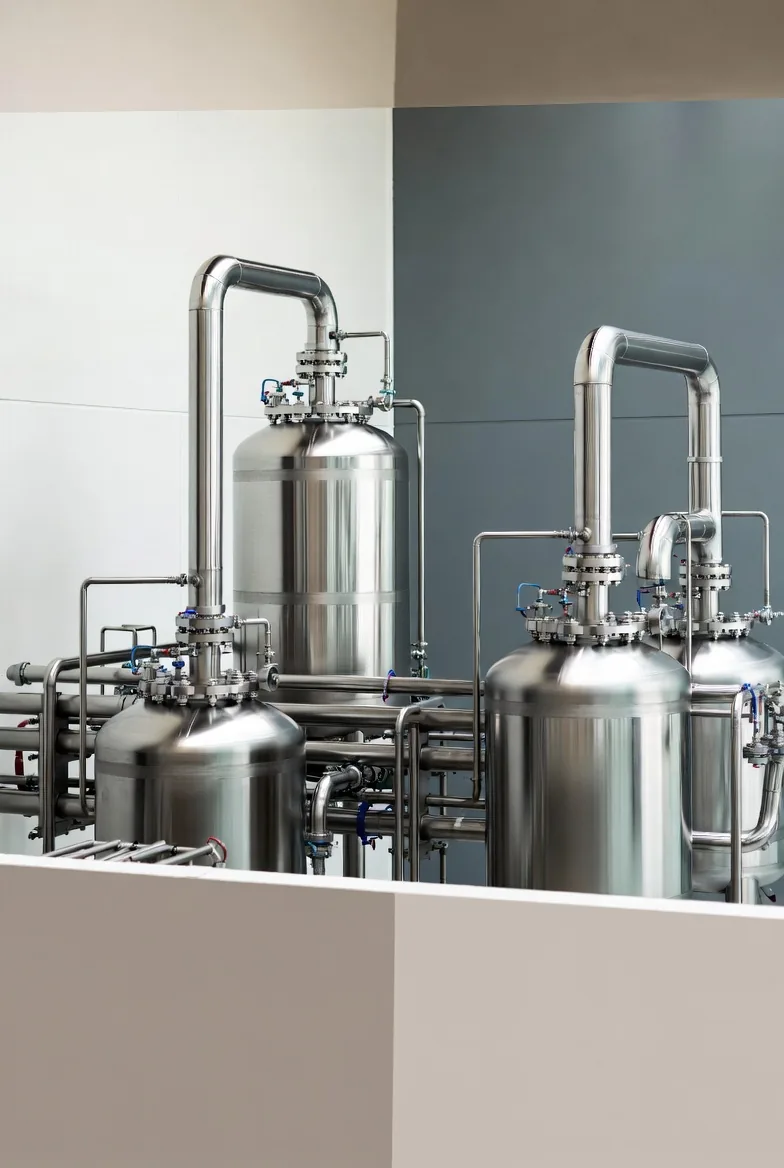
Solvent Recovery
An overview of seven solvent recovery duties where a condensable solvent travels with air or nitrogen, for engineers working to a percent-recovery...
+ Learn More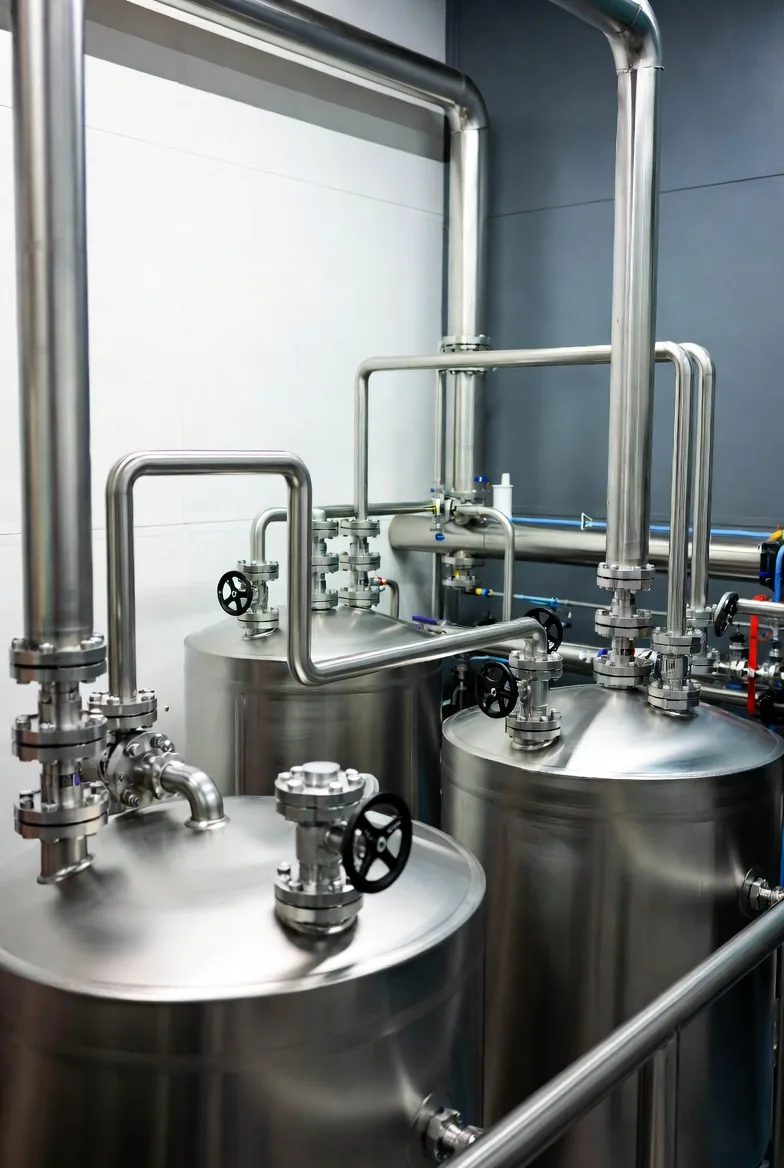
RECOVERY & EMISSIONS • APPLICATION
VOC Recovery
An overview of seven solvent recovery duties where a condensable solvent travels with air or nitrogen, for engineers working to a percent-recovery...
+ Learn More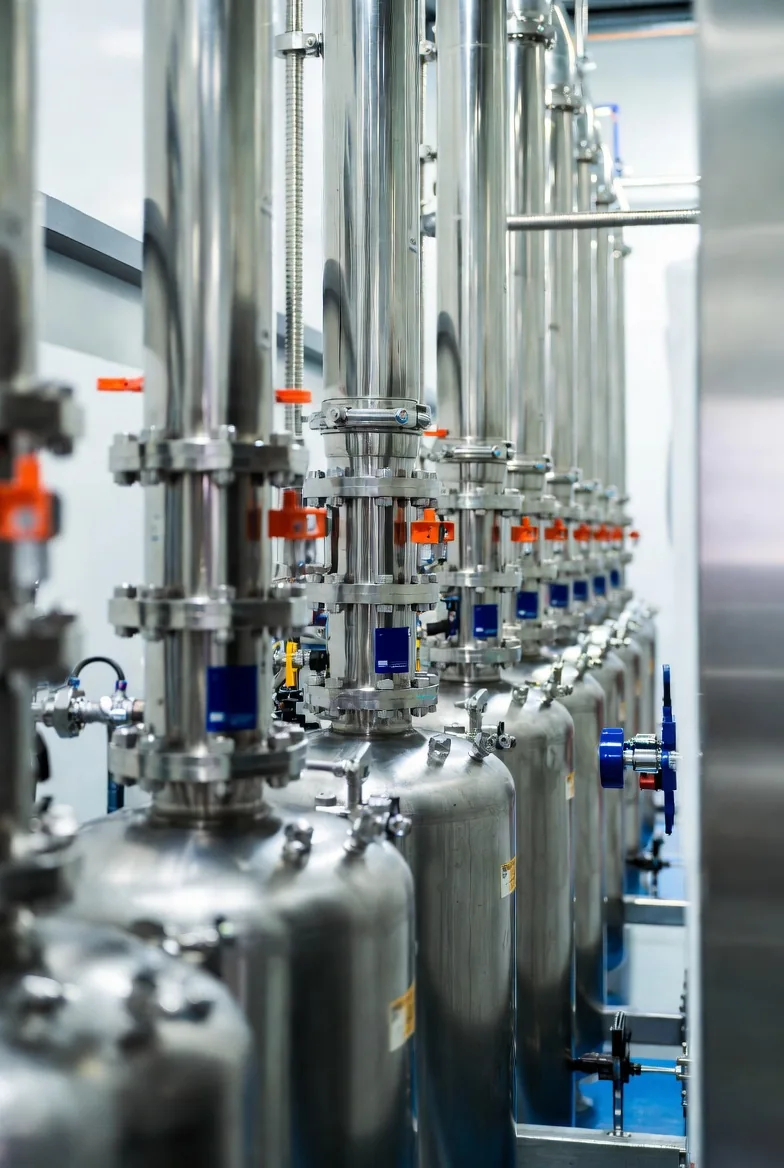
RECOVERY & EMISSIONS • APPLICATION
Hazardous Vapor Recovery
An overview of seven solvent recovery duties where a condensable solvent travels with air or nitrogen, for engineers working to a percent-recovery...
+ Learn More