
1-805-484-2992
Quotes - Engineering - SalesMarket
Vapor Condensers for Drug Manufacturing
Pharmaceutical condensing duties look modest next to a refinery overhead, but they carry requirements a chemical plant rarely sees. Condensate may return to a validated process, surfaces may contact product vapor, solvents are recovered for reuse under specification, and in biologics the condenser sits on the sterile boundary of a bioreactor. The thermal design is usually straightforward. Materials, drainability, cleaning, containment and documentation are where these units are won or lost.
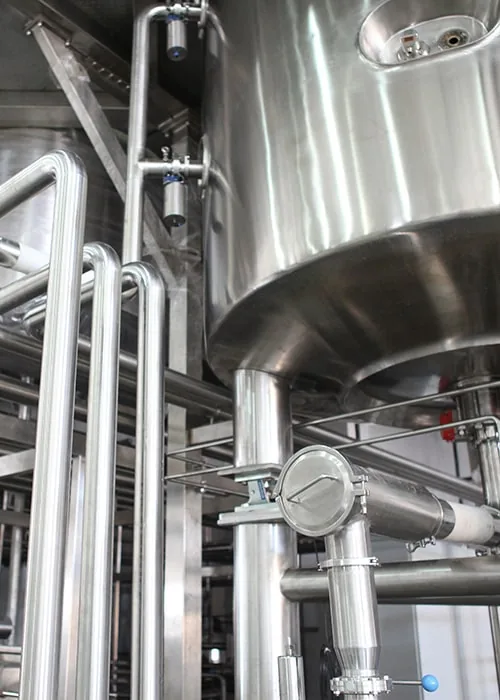
The pages in this section follow the three places condensers appear in a drug plant. API Manufacturing covers reactors, crystallizers and dryers in small-molecule synthesis under GMP. Bioreactor Off-Gas covers drying fermenter and cell-culture exhaust so the sterile vent filter stays dry. Solvent Recovery covers condensing mixed solvents and water to a reuse specification while meeting vent limits.
Request a Quote



Three Kinds of Pharmaceutical Vapor
Small-molecule plants condense organic solvents from reactors, stills and dryers, often under vacuum and often with nitrogen sweep. Biologics plants condense water from humid air and carbon dioxide leaving a bioreactor at only a few psig. Recovery operations condense mixed solvent and water streams that will be reused. Each one stresses a different part of the condenser: vacuum capability, low pressure drop, or the purity of the liquid that comes out.
When the Condensate Touches Product
A condenser whose condensate returns to the batch, or whose surfaces see product vapor, becomes part of the validated equipment train. That means documented materials, controlled surface finish, drainable geometry and elastomers with a traceable certification. A unit bought as utility equipment and later pressed into product-contact service usually cannot be qualified without rework, so decide the classification before the specification is written.
Shell & Tube First, Welded Plate Where It Fits
Vertical Shell & Tube condensers with process in the tubes do most pharmaceutical work: they drain completely, can be steam-sterilized or washed in place, and their tubes can be swabbed or borescoped for cleaning verification. Double tubesheets keep a coolant leak from reaching product. Welded Plate units offer compact, gasket-free condensing and suit vent trim stages and dedicated recovery columns where direct visual inspection is not part of the cleaning protocol.
Containment and Cleaning
High-potency compounds push condensers toward closed drains, filtered vents and wash-in-place before opening. Multiproduct suites need the unit included in the cleaning validation, with spray coverage in the heads, a true low-point drain and access for swab sampling. These features are simple to build in at the start and awkward to retrofit, so they belong in the request for quote rather than the punch list.
Alloys, Finishes and Elastomers
316L with a polished, passivated product-contact surface is the baseline, built to ASME BPE practice where the process calls for it. Hastelloy is the step up when halides are generated in synthesis. Elastomers are where many pharmaceutical condensers quietly fail: a gasket that swells in one solvent and shrinks in the next will weep after a few campaigns, so PTFE-based gaskets are common on solvent service and platinum-cured silicone or EPDM on bioprocess duties.
Solvent Economics and Vent Limits
Solvent is a large purchased cost in API manufacturing, and the air permit caps what can leave the vent. Both point at condenser outlet temperature. A cooling-water main condenser followed by a chilled vent stage recovers most of the solvent cheaply and uses refrigeration only where it earns its keep, which also reduces the load on the oxidizer or carbon system downstream.
Information for a Sized Quote
Bring the process step that sets the size, the solvents or gas composition, vapor or gas flow, operating pressure and vacuum level, the cooling media available and its temperature, and the classification of the unit: product contact, sterile boundary or utility. List the turnover documents your quality group will expect so they are priced from the start.
Batch duties should come with the full step sequence rather than a single case, since the dryer, the distillation and the reflux hold rarely peak on the same surface.
Choosing Where to Start
If the vapor comes from synthesis, crystallization or drying, start with API Manufacturing. If it leaves a fermenter or cell-culture vessel, go to Bioreactor Off-Gas. If the goal is solvent fit for reuse, read Solvent Recovery. When a duty spans more than one, Request a Quote or call 1-805-484-2992 and an application engineer will help sort it out.
Related
PHARMACEUTICAL • MARKET
Solvent Recovery (Pharma)
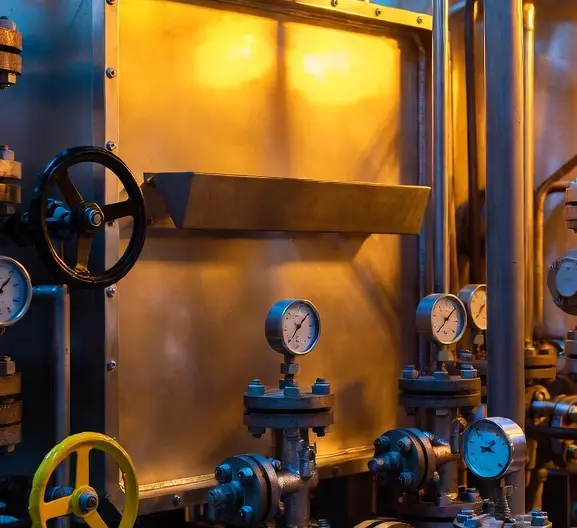
Recovered IPA, acetone, THF or DCM must meet spec to go back into a GMP process. The condenser sets how much you recover and how clean it is.
+ Learn More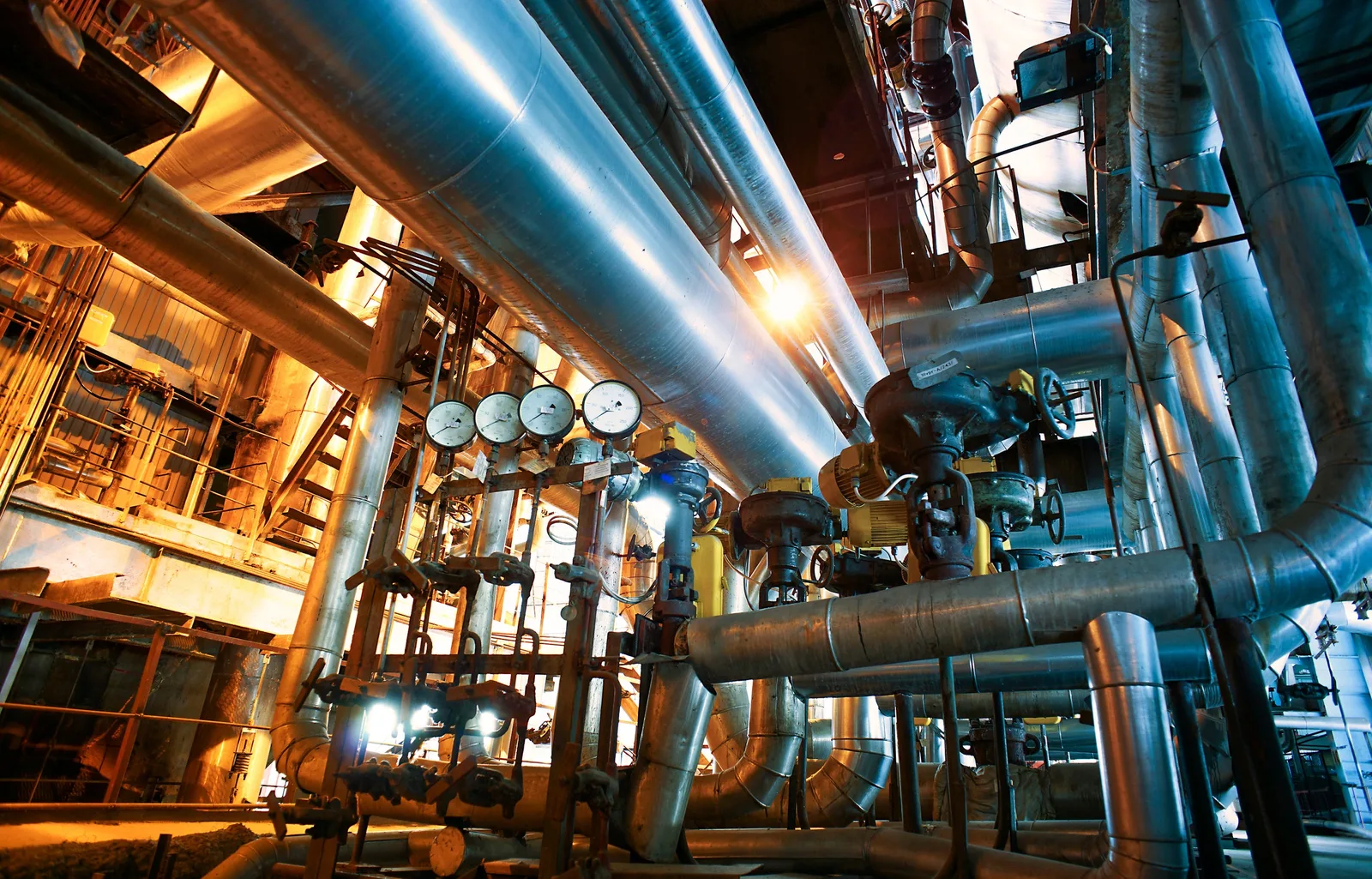
PHARMACEUTICAL • MARKET
API Manufacturing
Reactor reflux, vacuum crystallizer concentration and filter dryer solvent pull each need a condenser that fits the validated train under GMP.
+ Learn More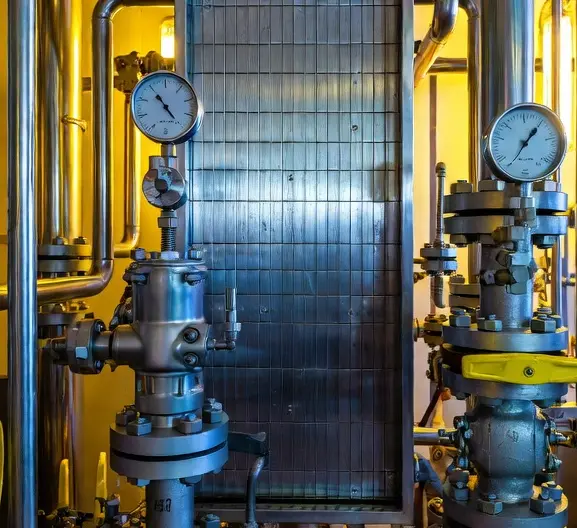
PHARMACEUTICAL • MARKET
Bioreactor Off-Gas
Wet off-gas can flood a sterile vent filter and break the batch boundary. Condense the moisture first, at only a few psig of back pressure.
+ Learn More