
1-805-484-2992
Quotes - Engineering - SalesHeat Exchangers For
Condensers for Drying and Cooling Hydrogen
Hydrogen leaves an electrolyzer or a steam methane reformer wet. PEM and alkaline electrolyzers deliver it warm and saturated, at pressures from near atmospheric to 30 bar or more. Reformer shift gas carries hydrogen, CO2 and a large excess of steam. Either way the first purification step is to cool the gas and condense out the water ahead of dryers, PSA or compression, and the condenser in that spot handles a gas that slips through gaps other gases cannot find.
Fixed Tubesheet shell and tube construction is the usual choice, with hydrogen on the tube side and welded tube-to-tubesheet joints, so no shell gasket stands between hydrogen and atmosphere. Horizontal Fin Fan coolers serve as a first stage on reformer gas or large electrolysis plants where cooling water is limited, with a water- or glycol-cooled trim condenser setting the final dew point.
Low molecular weight makes hydrogen a poor heat transfer medium per pound and a very easy one to lose through a flange.
Oxygen from the electrolyzer anode side is often cooled and dried the same way, and it brings its own material and cleanliness rules, since oxygen service requires surfaces free of oil and grease. If the project includes both gas streams, specify them separately; the hydrogen condenser and the oxygen condenser rarely share a design.
Request a Quote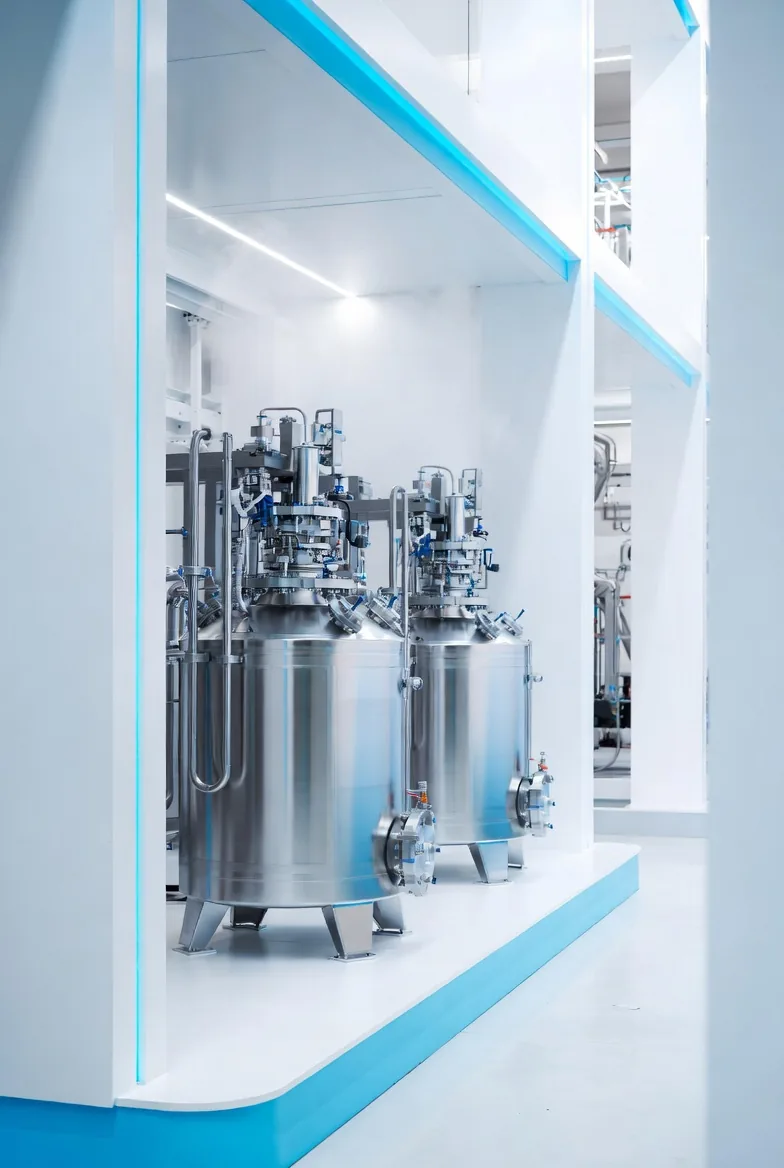




Wet Gas from Electrolyzers
Electrolyzer gas leaves the gas-liquid separator warm and saturated, sometimes with fine droplets of electrolyte (potassium hydroxide in alkaline units) or water. Cooling it to around 50 F condenses most of the water and unloads the downstream dryer. KOH mist calls for stainless on the gas side, and the condensate should go back to the electrolyte system.
Because electrolyzers ramp with renewable power, the condenser must hold its outlet temperature at deep turndown and through fast load changes.
Shift Gas Off a Reformer
On a steam methane reformer, most of the heat in the shifted gas is recovered upstream in waste-heat boilers and feed preheaters. The final cooler-condenser takes the gas down toward ambient and condenses process condensate rich in dissolved CO2, which attacks carbon steel. A mix of air cooling and water trim is common, with stainless where condensation begins.
Shift condensate is usually recycled to the steam system after stripping, so its quality matters. Condensers that let hydrocarbons or corrosion products into that stream push the cost onto the stripper and the boiler feedwater treatment downstream.
Leak Tightness Comes First
Hydrogen escapes through gasket faces and threaded joints that would hold air or natural gas. Welded tube-to-tubesheet joints, spiral-wound or ring-joint flange gaskets and as few hydrogen-side flanges as possible make a Fixed Tubesheet shell and tube unit the practical choice. On a Horizontal Fin Fan, header plugs and gasketed cover plates need attention; welded plug headers are preferred at high pressure.
Hydrogen and Metallurgy
Embrittlement is a concern for high-strength steels and at elevated pressure and temperature. 316L stainless, and carbon steel within code limits, are typical; hard weld zones should be avoided.
State hydrogen partial pressure and design temperature so materials can follow the applicable code guidance, and note whether the project requires ASME code stamping and helium leak testing.
Every psi Costs Compression
Pressure lost in the condenser has to be made up by a compressor, and hydrogen compression is costly. Low density keeps pressure drop small at a given velocity, but the gas-side coefficient depends heavily on velocity, so tube count and pass arrangement need a real rating rather than a rule of thumb.
Electrolyzer projects often add stacks over several years. A condenser sized for the final plant can run at a small fraction of its duty early on, where low gas velocity cuts heat transfer and lets droplets settle unevenly. Two smaller units in parallel are sometimes the better arrangement.
Dew Point Ahead of the Dryer
The condenser outlet temperature sets the water load on the dryer. A few degrees colder cuts the water reaching a TSA or PSA dryer and stretches its regeneration cycle. Tell us the target outlet temperature, the coolant temperature available and whether a separator and demister follow the condenser, since droplets defeat whatever dew point the condenser reaches.
Related
GAS PROCESSING • MARKET
Process Gas Cooling
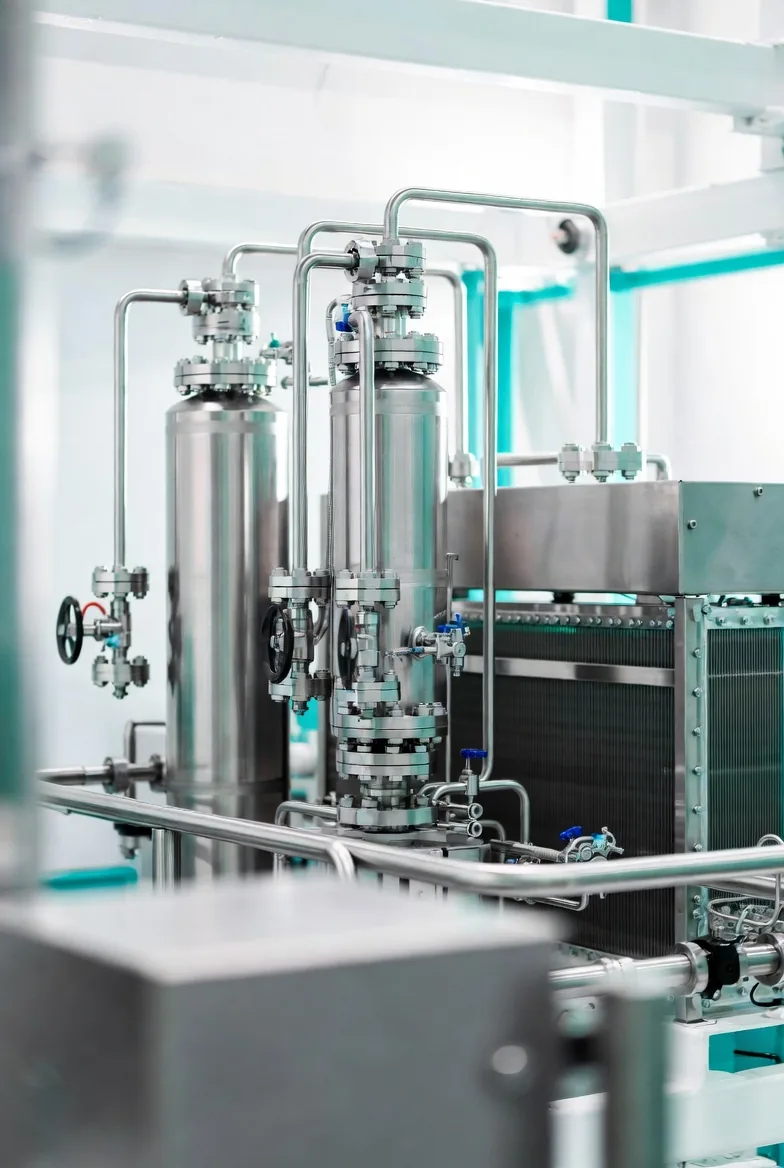
Interstage cooling on wet gas condenses liquid that must reach a knock-out drum. Size the cooler-condenser for compressor and recycle loops.
+ Learn More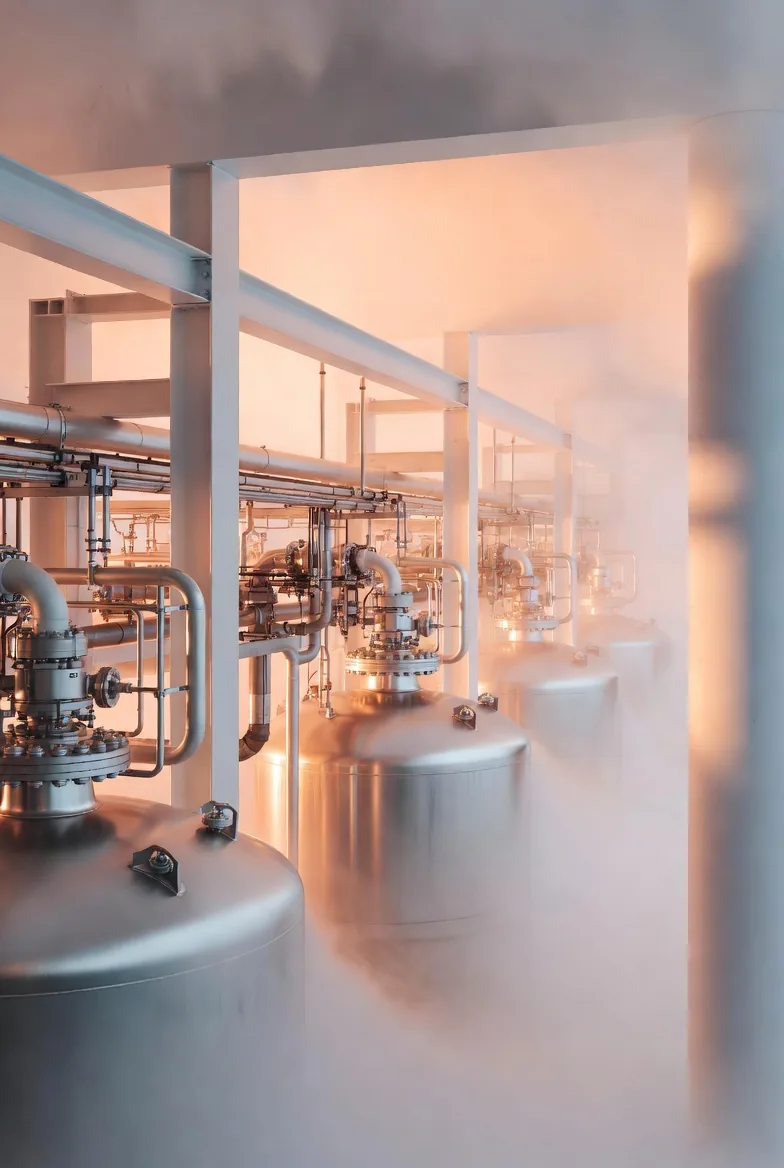
GAS PROCESSING • MARKET
Natural Gas
Meeting pipeline dew point and condensing glycol or amine regenerator overheads are two different duties. Condensers for both in gas plants.
+ Learn More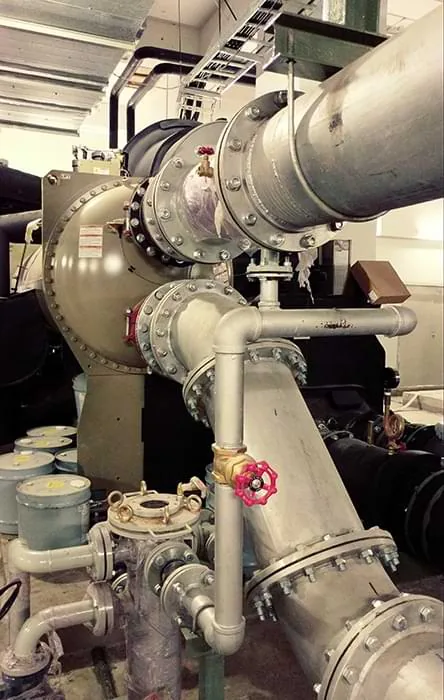
GAS PROCESSING • MARKET
Gas-to-Liquid
Fischer-Tropsch overhead holds syngas, naphtha, diesel, reaction water and wax. Condensers that recover each across a broad condensing curve.
+ Learn More