
1-805-484-2992
Quotes - Engineering - SalesMarket
Condensing Duties Across a Chemical Plant
Chemical plants condense vapor in three broad settings: the large continuous overheads of petrochemical fractionation, the batch reactors and stills of specialty and fine chemical buildings, and the corrosive overheads of acid concentration and regeneration. They share the physics of mixtures with temperature glide and noncondensables, but they differ sharply in what drives the design. On a petrochemical column it is size, fouling and run length. In a multipurpose plant it is the spread of products and the cleaning between them. On an acid unit it is almost entirely metallurgy.
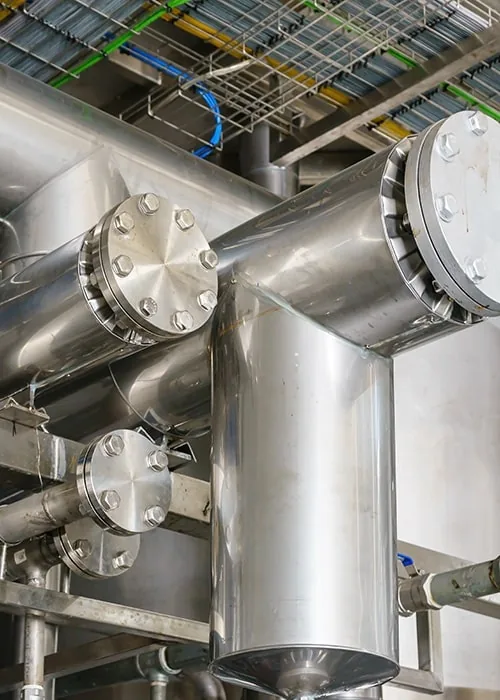
Start with the page closest to your service. Petrochemical covers column overheads, two-liquid hydrocarbon and water condensate and TEMA R construction. Specialty Chemicals covers campaign plants and designing one condenser for a whole product wheel. Acid Recovery covers sulfuric, hydrochloric, nitric and acetic services and where stainless steel stops working. Reactor vapor condensing, including knock-back, solvent swaps and vacuum strip, has its own page in this section as well.
Request a Quote



Continuous Units and Batch Buildings
A continuous unit runs one composition at roughly one rate for years, so the design can be optimized tightly and the main risk is fouling over a long run. A batch building is the opposite: the same condenser may see reflux, distillation and deep vacuum within a single shift, and a different chemistry next month. Knowing which world your duty lives in tells you whether to buy for efficiency at one point or for coverage of a wide envelope.
Corrosion Drives the Material List
Carbon steel serves most hydrocarbon overheads, 316L covers a wide range of organic solvent work, and the acid and halide services push into Hastelloy, titanium, zirconium, tantalum or graphite. The mistake that repeats across the industry is choosing material from the bulk vapor composition. The first condensate formed on a cold tube wall can be far more aggressive than the vapor, and that is where leaks begin.
Shell & Tube, Welded Plate or Spiral
Shell & Tube carries most chemical condensing because it accepts high pressure, every alloy and mechanical cleaning; Floating Head bundles suit dirty continuous service, Fixed Tubesheet units suit batch and corrosive duties with process in the tubes. Welded Plate units bring compact surface and no process gaskets to clean, steady duties. Spiral Exchangers handle slurried or fouling vapor streams in one-alloy construction that opens for inspection.
Inert Gas and the Vent Line
Nitrogen blanketing, air leaking into vaccum equiptment and light reaction byproducts all reach the condenser as noncondensable gas. It collects at the cold end, blankets the surface and lowers capacity well below what the area would suggest. A vent taken from the coldest point, sized for the real inert load and not just startup air, is often the difference between a condenser that meets its rating and one that does not.
Symptoms of an Undersized Overhead
An undersized condenser seldom announces itself directly. Column or reactor pressure drifts upward on warm days, the vent valve spends more time open, vacuum pumps run hot because they are ingesting condensable vapor, and operators begin cutting rates to stay inside a relief setting. Those signs point at the condenser even when the instruments around it read normally, and they are worth bringing to a sizing discussion.
Recovery and Emissions
Product or solvent that condenses is product or solvent that is not sent to the flare, the oxidizer or the scrubber. On a large overhead the value is measured in throughput and column stability; on a batch vent it is measured in solvent purchases and permit headroom. In both cases the condenser outlet temperature is the number that sets how much leaves the plant as vapor.
What to Have Ready
For any chemical duty, a sized proposal needs the vapor rate and composition at each operating case, the pressure, the coolant type and temperature, the allowable pressure drop and the materials you already use in that service. If the unit serves batch equipment, list the steps and the solvents. If it is a continuous column, send the simulation condensing curve.
Talking It Through
Some duties are easier to settle in a short conversation than on a data sheet, particularly mixed acid services, new multipurpose bays and replacements where the old unit failed early. Request a Quote with whatever you have, or call 1-805-484-2992 and talk through the service with an application engineer before committing to a specification.
Related
CHEMICAL PROCESSING • MARKET
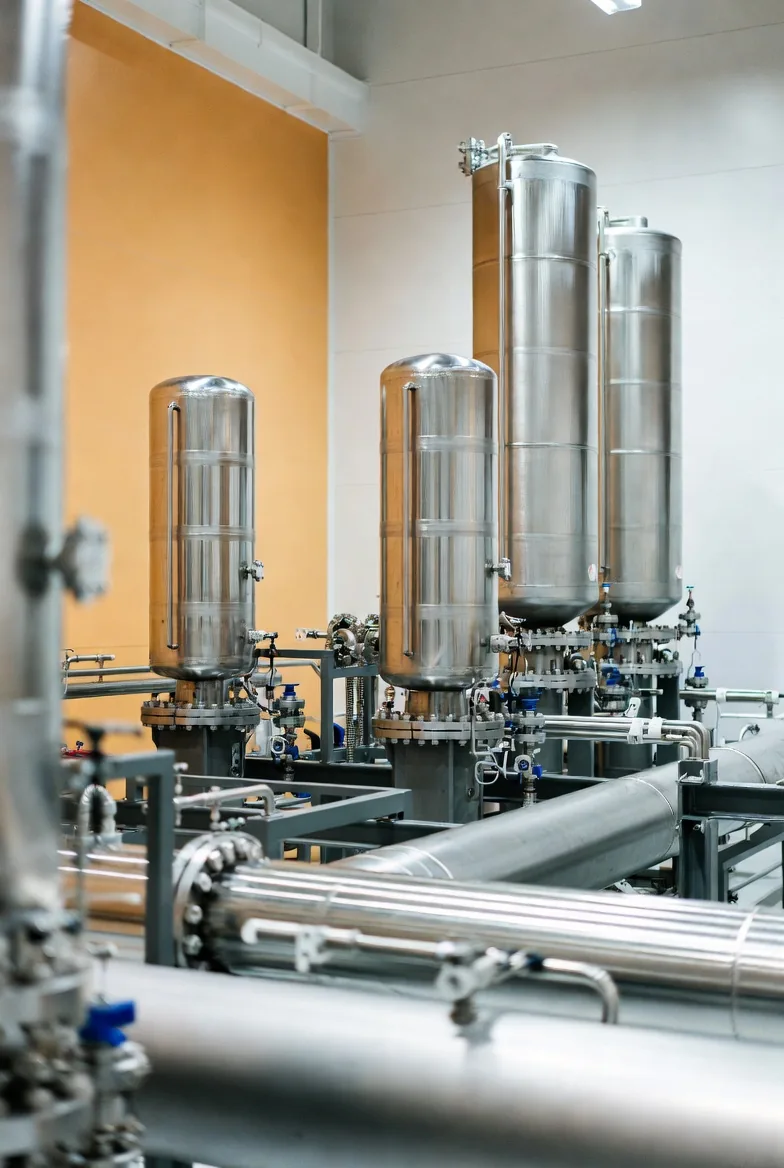
Petrochemical
Column overheads with light ends, hydrogen and free water need more than a single-component design. Size petrochemical overhead condensers here.
+ Learn More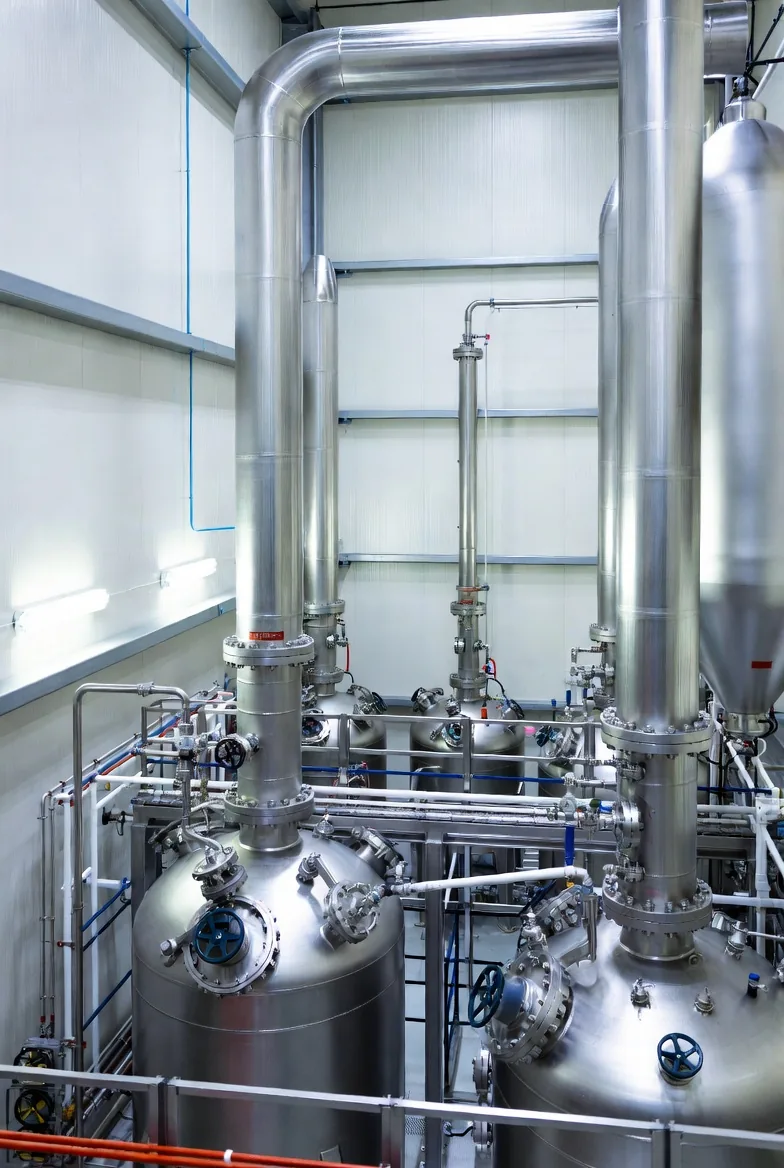
CHEMICAL PROCESSING • MARKET
Specialty Chemicals
A product wheel means one condenser sees many campaigns. Size it for the hardest duty and choose alloys for the most corrosive one.
+ Learn More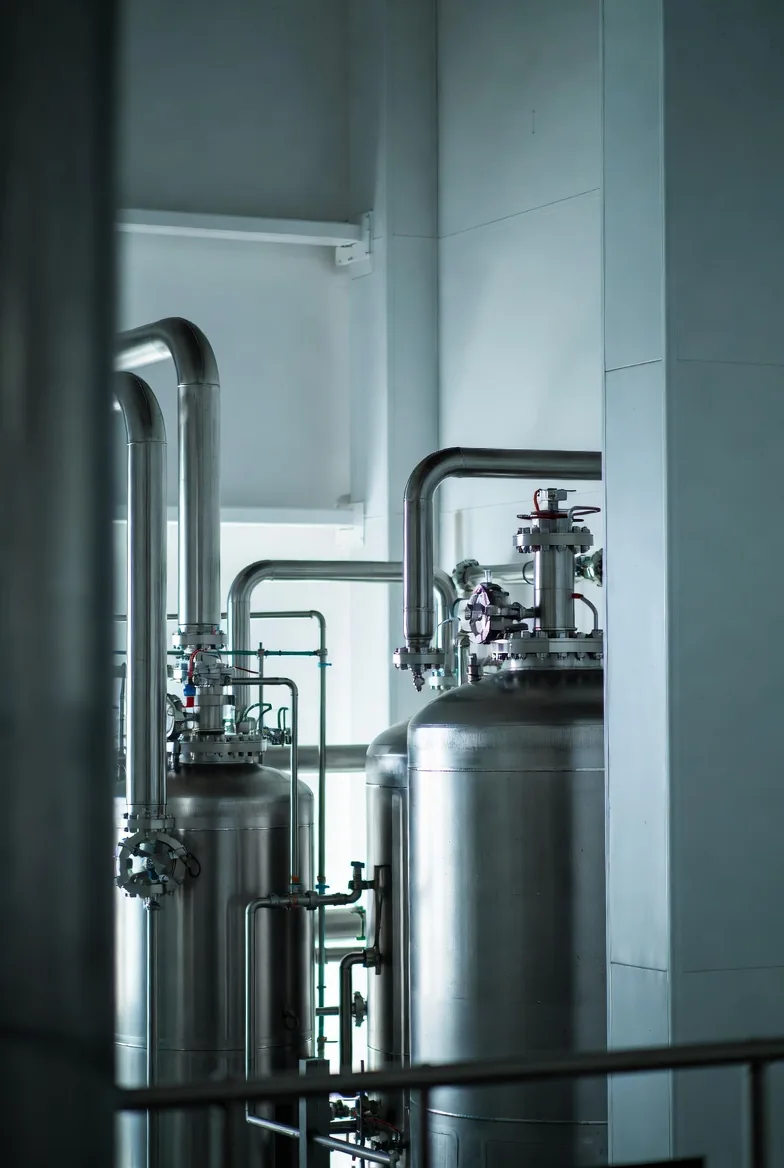
CHEMICAL PROCESSING • MARKET
Acid Recovery
The first condensate to form on a tube wall is far stronger than the vapor. Condensers for sulfuric, HCl, nitric and acetic acid overheads.
+ Learn More