
1-805-484-2992
Quotes - Engineering - SalesHeat Exchangers For
Product Condensers for Fischer-Tropsch and Gas-to-Liquid Units
In a gas-to-liquid plant, synthesis gas becomes hydrocarbons in a Fischer-Tropsch reactor, and the reactor overhead leaves as a hot, high-pressure mixture of unreacted syngas, light hydrocarbons, naphtha and diesel-range liquids, reaction water and, at the heavy end, wax. Condensing that stream recovers product, separates water and returns unreacted gas to the loop. The condensing curve is broad and the outlet has three phases: gas, hydrocarbon liquid and water.
Fixed Tubesheet shell and tube condensers suit the cleaner, lighter cooling stages where fouling is low and differential expansion is modest. Floating Head construction suits the hot first stage, where tube-wall temperatures swing widely and wax is expected; the bundle comes out for hydroblasting and the tubesheet floats freely with temperature.
Condensing wax too early, on cold metal, is the expensive mistake in this service, and it is easy to make with an oversized coolant flow.
Low-temperature and high-temperature Fischer-Tropsch processes leave different overheads. Low-temperature slurry and fixed-bed reactors make more wax and heavier liquid; high-temperature fluidized processes make lighter products and more oxygenates in the water. Name the process type and the catalyst, iron or cobalt, so the condensing curve and water chemistry are estimated correctly from the start.
Request a Quote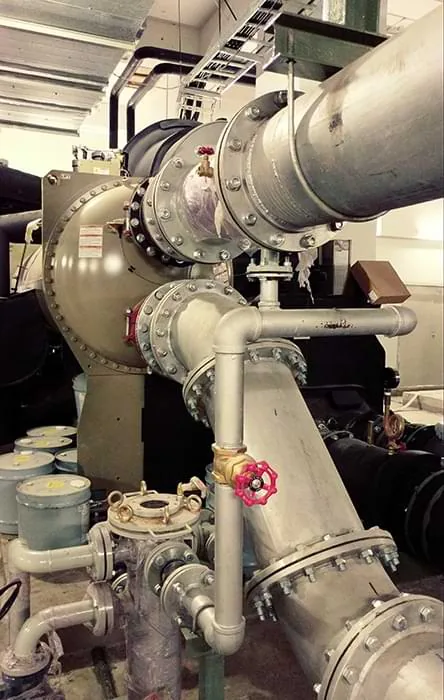




A Condensing Range, Not a Temperature
The overhead condenses across hundreds of degrees. Heavy wax drops out first at high temperature, diesel and naphtha follow and water condenses near the end with the lightest liquids. A rating built on a single condensing temperature badly overstates the mean temperature difference and leaves the unit short at the cold end. Ask the process team for a full heat release curve from the simulation.
Reactor pressures of several hundred psig keep gas density high, which helps heat transfer but sets thick walls, heavy flanges and careful nozzle design.
Wax Meets Cold Metal
Fischer-Tropsch wax solidifies well above ambient. If the coolant is to cold, or the tube wall drops below the wax pour point, wax plates out, pressure drop climbs and heat transfer collapses. Hot-condensing stages are usually cooled with tempered water or by raising low-pressure steam, so the tube wall stays above the wax melting range and liquid wax drains to a hot separator.
Floating Head or Fixed Tubesheet
Floating Head exchangers handle the hot, waxy first stage: the bundle is removable, both sides can be hydroblasted and differential expansion is taken by the floating head rather than the shell. Fixed Tubesheet units cost less and are inherently leak-tight for the lighter, cooler stages once wax is out, where an expansion joint covers the smaller temperature difference. TEMA class R construction fits this service.
Splitting Water from Hydrocarbon
Reaction water is a large stream, carrying dissolved oxygenates such as alcohols and organic acids that make it mildly corrosive.
The water side of the separator is often the stream nobody sized for. Its flow can rival the hydrocarbon product, and its oxygenate content shapes both the materials of the cold stage and the treatment plant behind it, so include a water analysis or a simulation estimate with the request.
The condenser outlet feeds a three-phase separator, so outlet temperature and liquid velocity decide how cleanly water and hydrocarbon split. Too much subcooling can thicken the hydrocarbon phase and slow separation; too little leaves light ends in the recycle gas.
Heat Worth Keeping
The hot end of a gas-to-liquid overhead carries a lot of usable energy. Rating the first stage as a steam generator or boiler feedwater preheater returns that heat to the plant and keeps the tube wall warm enough to hold wax liquid, solving two problems with one exchanger.
Pressure Design and Metallurgy
Carbon steel is common in hydrocarbon service, with stainless or upgraded alloys where acidic reaction water condenses. Hydrogen and carbon monoxide at elevated pressure call for qualified weld procedures and careful gasket selection, and the design carries ASME code stamping with radiography as specified. Send design pressure, design temperature and corrosion allowance with the inquiry.
Pilot and demonstration plants deserve the same discipline at small scale. One small condenser often has to cover several campaigns with different catalysts and conditions, so give the full range of operating cases rather than a single design point, and expect the hot stage to need cleaning access even at pilot size.
Related
GAS PROCESSING • MARKET
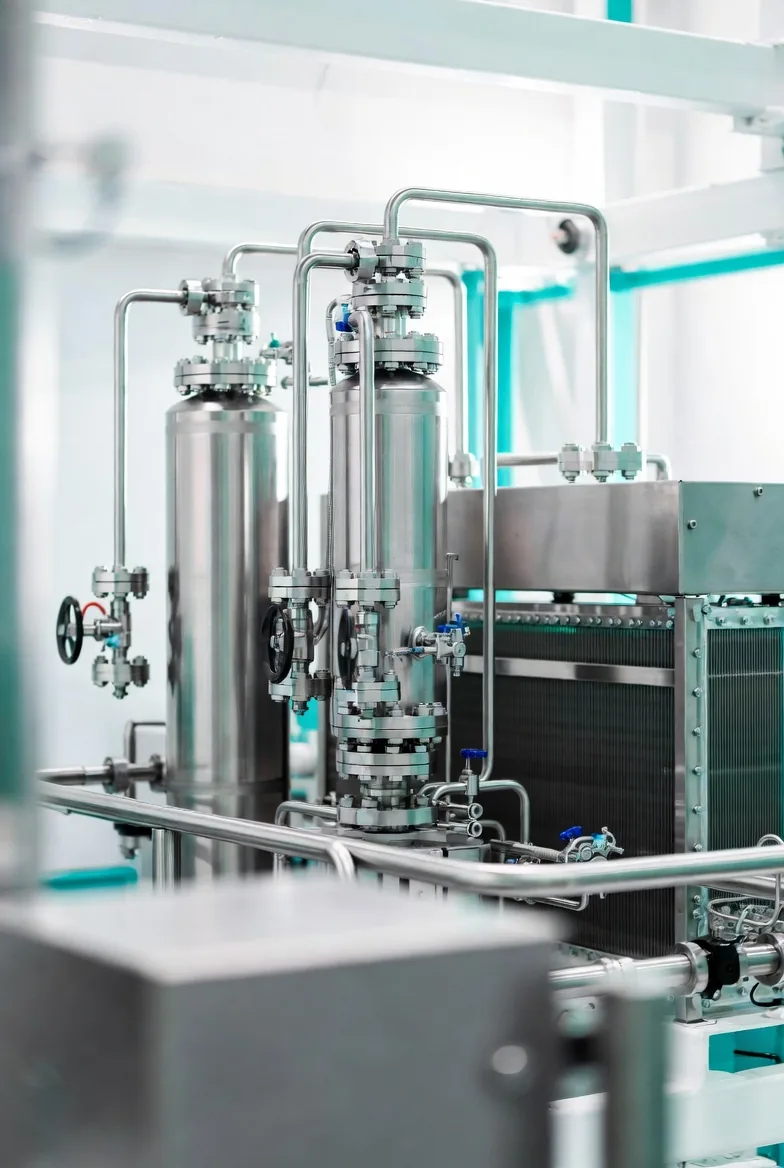
Process Gas Cooling
Interstage cooling on wet gas condenses liquid that must reach a knock-out drum. Size the cooler-condenser for compressor and recycle loops.
+ Learn More
GAS PROCESSING • MARKET
Natural Gas
Meeting pipeline dew point and condensing glycol or amine regenerator overheads are two different duties. Condensers for both in gas plants.
+ Learn More
GAS PROCESSING • MARKET
Hydrogen
Electrolyzer and reformer hydrogen leaves wet. Cool it and knock out water before dryers, PSA or compression with a properly sized condenser.
+ Learn More