
1-805-484-2992
Quotes - Engineering - SalesVapor Condensers by Application
The thermal problem in a condenser is broadly the same everywhere: remove latent heat, get the condensate out, and deal with whatever noncondensable gas arrives with the vapor. What changes from one industry to the next is the constraint wrapped around that problem — a hygiene standard, a documentation package, a vacuum that must be held, or a reflux ratio that sets product purity. These four sections group the duties by that constraint rather than by exchanger type.
Sections
- Food & Sanitary: Where the vapor side is the hygienically critical side and the exchanger has to satisfy an auditor as well as a thermal duty.
- Pharmaceutical & Bioprocess: ASME BPE construction, double tubesheets and a documentation package your qualification protocols can actually use.
- Process, Utility & Separation: Vacuum, vent, surface and evaporator condensing, plus column overhead and reflux duty where the condenser is part of the separation.
Food & Sanitary
Cleanable, Drainable Condensing
- Clean Steam Condensers
- Sanitary Condensers
- 316L, CIP and SIP Ready
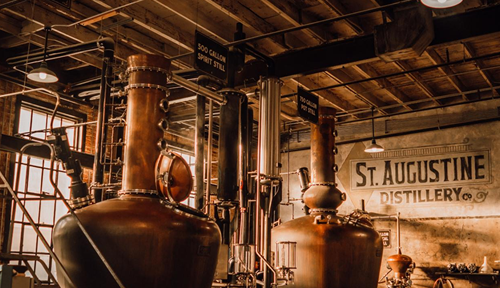
Pharmaceutical & Bioprocess
Hygienic Design Under cGMP
- WFI Condensers
- Pharmaceutical Condensers
- API Process Condensers
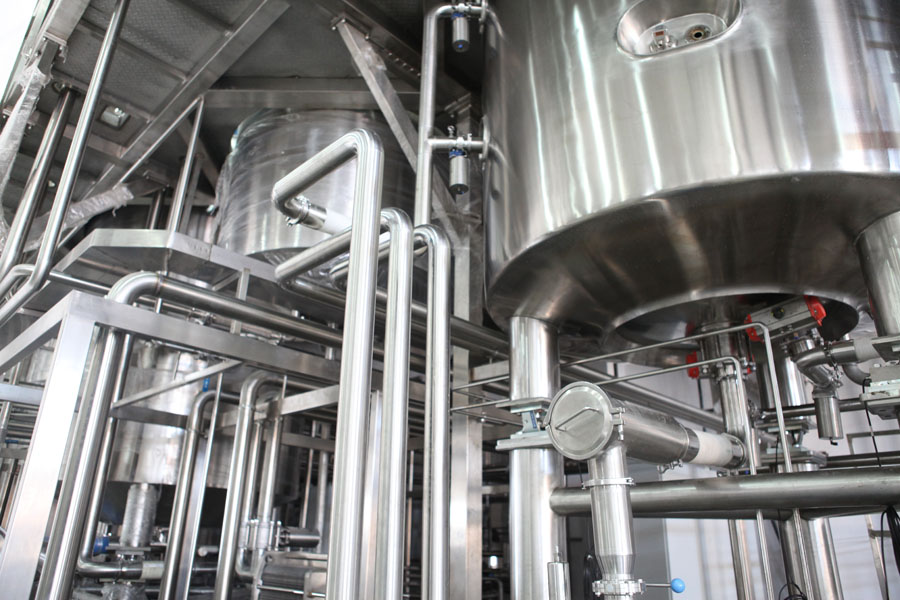
Process & Utility
Vacuum, Vent and Surface Duty
- Surface Steam Condensers
- Vacuum and Vent Condensers
- Evaporator Condensers
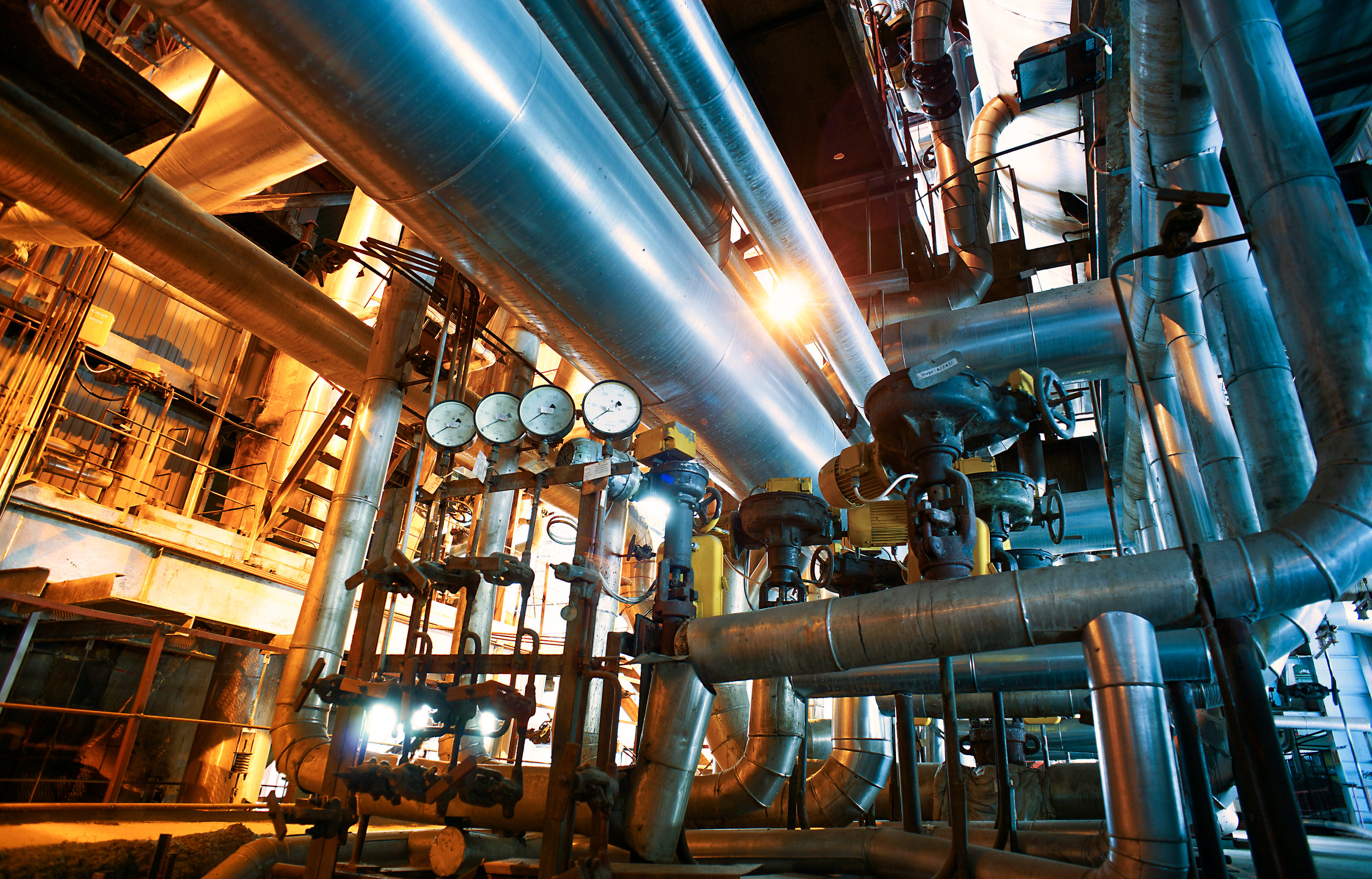
Vapor-Liquid Separation
Condensing as Part of Separation
- Distillation Condensers
- Overhead and Reflux Duty
- Dephlegmators
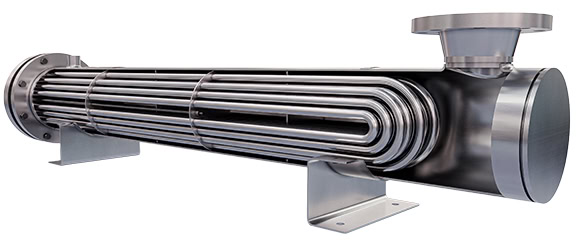
Condensing Solutions
Choosing a condenser is mostly a sequence of trade-offs, and the order you make them in matters. Which side the vapor condenses on decides how much pressure drop you can afford and how easily the fouling surface can be cleaned. Whether the bundle has to come out decides the TEMA configuration. How much noncondensable gas arrives decides how much surface you actually need, which is often considerably more than a clean-vapor calculation suggests.
The condensate chemistry — not the bulk vapor chemistry — should drive material selection, because the first liquid to condense concentrates whatever acid or chloride is present into a very small volume. That film is what attacks the tube wall, and it is why a stream that looks benign on a bulk analysis can still need duplex, titanium or a nickel alloy.
If you would rather talk it through than fill in a datasheet, that works too. Tell us what the process is doing and we will work out what it needs: 1-805-484-2992