
1-805-484-2992
Quotes - Engineering - SalesHeat Exchangers For
Wort Kettle Vapor Condensers for the Brewhouse
During the boil a wort kettle evaporates several percent of its volume per hour, and that vapor carries dimethyl sulfide, hop oils, protein mist and a great deal of latent heat. Venting it up the stack wastes the energy and puts brewing odor over the neighborhood. A kettle vapor condenser turns the plume into hot water for the next brew and a small stream of strongly flavored condensate that has to be handled on purpose.
A Fixed Tubesheet shell and tube unit, mounted in or beside the vapor stack, is the usual choice, with vapor condensing on the cleanable side and brewing water heated on the other. Gasketed Plate & Frame units show up where an energy storage tank already exists, typically on the secondary loop that uses that hot water to preheat wort on its way from the lauter tun to the kettle.
Driving off DMS is the reason the kettle boils hard, so the condenser must never return condensate to the kettle. Sizing it against the true boil-off rate, including the surge at the start of the boil, keeps vapor from breaking through to the stack and keeps the kettle at atmospheric pressure.
Some brewhouses pair the condenser with mechanical vapor compression or a boiling system that reuses the vapor directly; others run a simple stack condenser feeding an energy storage tank. The specification changes with that choice, so tell us which arrangement the brewhouse uses, or is moving toward, before anything is sized.
Request a Quote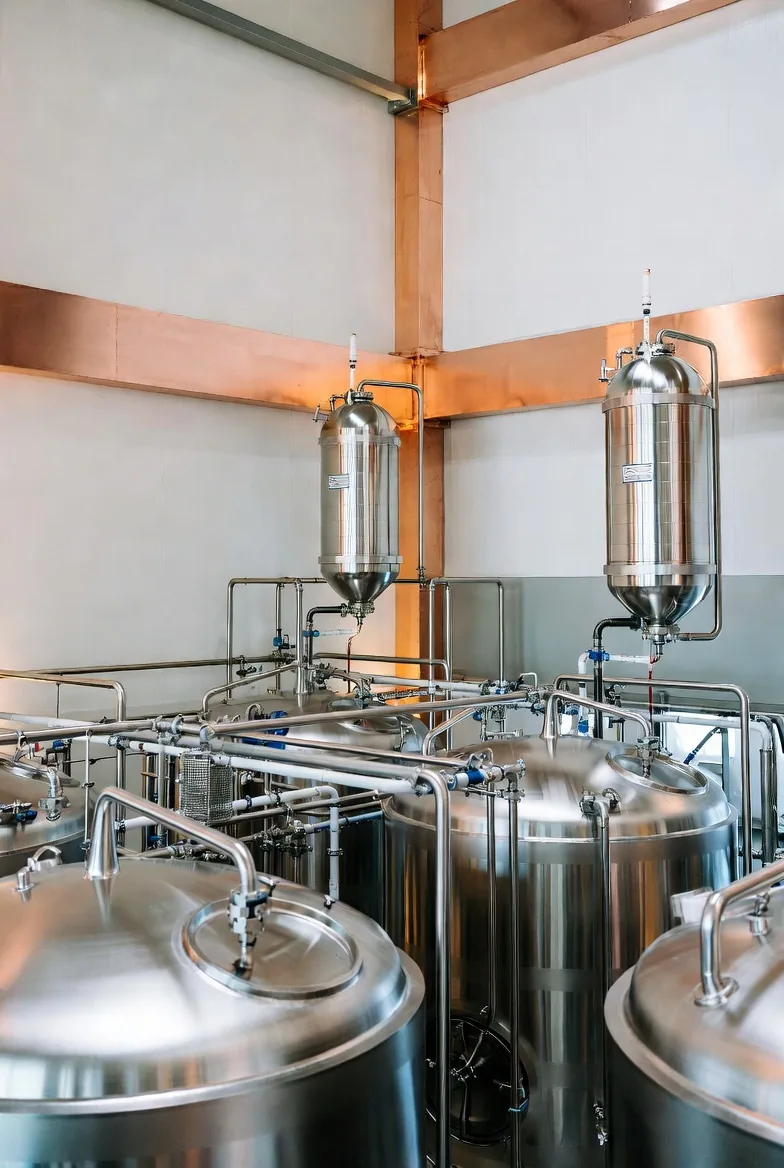




What the Condenser Is Asked to Do
It condenses the steam leaving the kettle at near-atmospheric pressure and passes the latent heat to brewing water, typically lifting it from cold liquor temperature to somewhere around 175 to 195 F for the hot liquor tank or an energy storage tank. On a well-matched brewhouse, this recovery supplies much of the hot water for the next mash-in.
The condenser must not back-pressure the kettle. Even slight positive pressure in the stack changes boil vigor and can push vapor out of the manway onto the brewhouse floor.
Wort Carryover and Brown Film
Boiling wort foams, and droplets of protein and hop resin ride with the vapor in to the condenser. On the hot condensing surface they bake into a brown, sticky film that cuts heat transfer within weeks if left alone. A disengagement space or simple baffle ahead of the condenser, plus spray coverage of the vapor side from the brewhouse CIP, keeps the film from building. A fouled condenser announces itself as cooler hot liquor at the end of each brew.
Tubes Versus Plates in the Stack
Fixed Tubesheet shell and tube condensers tolerate the large vapor volume at atmospheric pressure and accept CIP spray devices in the vapor space. Gasketed Plate & Frame units are compact and give a close approach on the water side, but their narrow channels do not suit raw kettle vapor laden with entrained wort; they work best on clean liquid circuits in the energy recovery loop.
Condensate and DMS
Kettle vapor condensate is acidic, smells of cooked corn and hops and carries a measurable organic load. It goes to drain or treatment, never back to the boil.
Drain the condensate freely from the low point and size the line for full boil-off. A flooded condenser bottom loses surface and lets DMS-rich liquid pool against warm metal, where part of it re-evaporates and finds its way back toward the kettle.
Stainless Inside and Out
304 stainless is common on the water side, with 316L preferred on the vapor side because condensate pH sits roughly between 3 and 5 and chloride-bearing CIP chemicals pass through it. Welds should be smooth and drainable, and the vapor side needs a full spray pattern; a hidden corner above the spray ball is where the first deposits appear.
Matching Brew Schedule to Hot Water
Recovered energy is only useful if the hot liquor tank can take it. Tell us brews per day, boil time and evaporation rate, cold liquor temperature, hot liquor target and tank capacity. When the tank is already full at the start of a boil, the condenser has nowhere to put the heat and the vapor goes up the stack anyway.
Smaller breweries with one or two brews a day often find the recovered water exceeds what the next mash-in can use. The surplus can serve CIP make-up, keg or tank washing or space heating, and having that outlet planned is what lets the condenser run at full duty instead of throttling back.
Related
FOOD & BEVERAGE • MARKET
Beverage Production
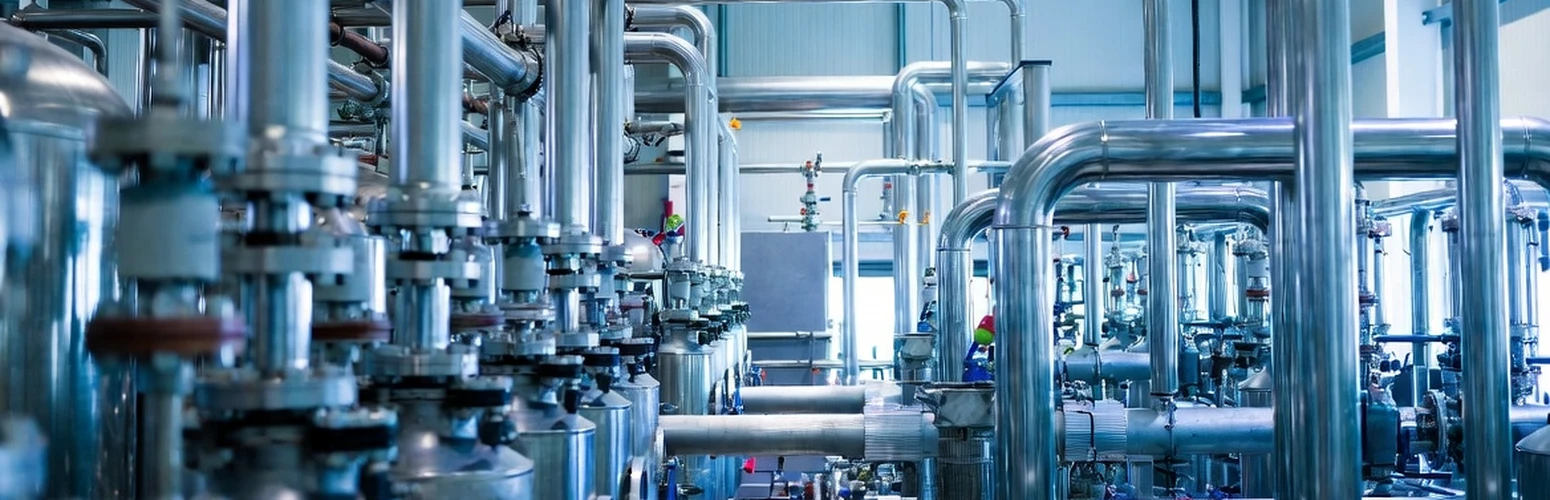
Juice essence, flavor concentrate and syrup room vapor carry product. Condensers for beverage plants that recover it rather than waste it.
+ Learn More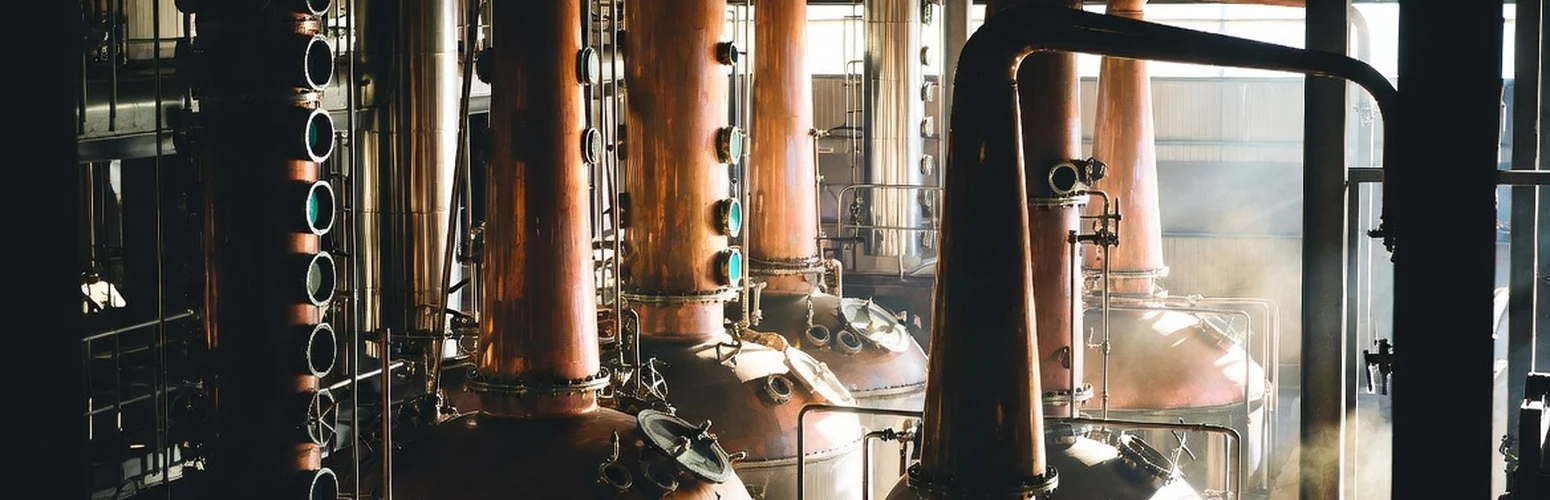
FOOD & BEVERAGE • MARKET
Distilled Spirits
Pot still or column, the condenser is the last metal the spirit touches. Size it to follow proof changes from heads through tails.
+ Learn More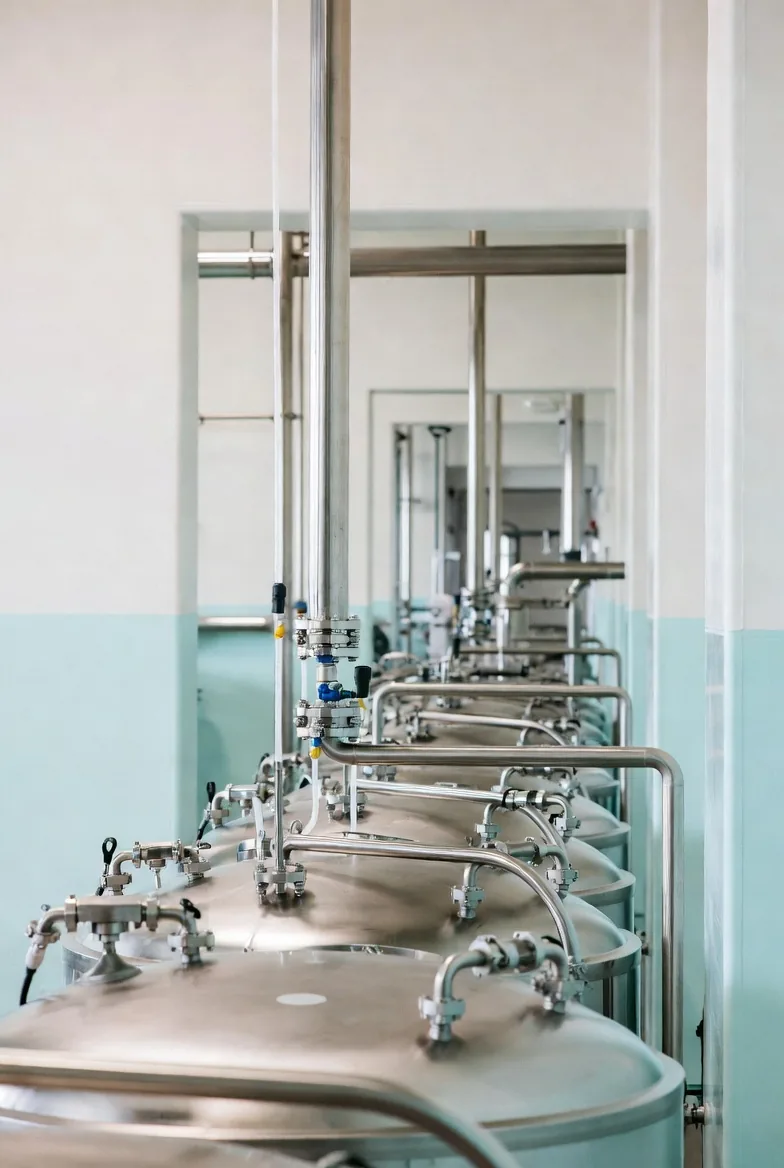
FOOD & BEVERAGE • MARKET
Dairy
The last-effect condenser sets the vacuum for a milk or whey evaporator. Size it to hold 100 to 120 F condensing against tower or chilled water.
+ Learn More