
1-805-484-2992
Quotes - Engineering - SalesMarket
Condensers for Gas Treating, Drying and Conversion
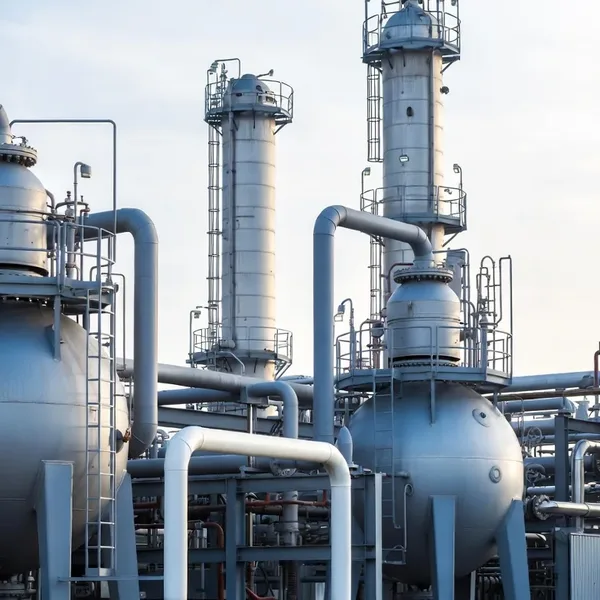
Gas processing condensers sit where a gas stream has to lose heat and liquid at the same time: ahead of a compressor stage, at the outlet of a digester or electrolyzer, on a pipeline dew-point skid, on the overhead of a glycol regenerator, after a Fischer-Tropsch reactor. The gas is usually most of the flow, the condensables are a fraction of it, and the condenser works against weak gas-side heat transfer, tight pressure drop budgets and condensate that is often corrosive.
This section is organized by gas. Natural Gas deals with dew-point control and glycol dehydration overheads. Process Gas Cooling covers interstage coolers and knock-out ahead of compressors. Hydrogen explains drying electrolyzer and reformer gas in leak-tight construction. Biogas covers moisture removal from low-pressure digester and landfill gas, and Gas to Liquid covers wax-bearing, high-pressure product condensers. Pick the page that matches your stream; each explains what that gas does differently inside a condenser.
Request a Quote







When the Gas Outweighs the Vapor
In most of these services the noncondensable gas carries the flow and the condensing vapor is the minority. Heat transfer is controlled by the gas film, not by condensation, so the design looks closer to a gas cooler than to a steam condenser. Condensables must diffuse through the gas to reach the cold wall, which is why a rating that treats the stream as pure vapor overstates performance. A real condensing curve and a rating method that handles mass transfer through the gas are the starting point.
From Inches of Water to Hundreds of psi
Biogas arrives a few inches of water column above atmospheric, and a condenser that costs a few more inches can stall the blower. Hydrogen from a pressurized electrolyzer, compressor interstage gas and pipeline natural gas run from tens to well over a thousand psig, where wall thickness, flange class and tube-to-tubesheet joint design dominate cost. Fischer-Tropsch overheads sit at high pressure and high temperature together. Pressure sets both the pressure drop budget and the mechanical design, so it is the first number we ask for.
Air-Cooled, Water-Cooled and Chilled
Horizontal Fin Fan coolers do most gas cooling in the field because a compressor station or well pad has no cooling water. Fixed Tubesheet shell and tube condensers take over where water, glycol or refrigerant is available and a closer approach is needed, and for high-pressure gas they are compact and fully welded. Floating Head units suit hot, fouling streams such as GTL overheads that need bundle removal. Many trains pair an air-cooled first stage with a chilled trim stage.
Corrosion at the First Drop
Water dissolves whatever acid gas travels with it: H2S and CO2 in biogas and sour natural gas, CO2 in reformer gas, oxygenates in Fischer-Tropsch water. The first film of condensate is the most aggressive, and carbon steel often fails there while the dry inlet looks new. Sour gas needs NACE-compliant materials; biogas and many condensing zones need 316L stainless. Hydrogen adds embrittlement and leak tightness to the list. Materials follow from the gas analysis, trace components included.
Liquid Removal Belongs in the Design
A condenser that cools the gas correctly but leaves liquid entrained as mist has not finished its job. Droplets reach a compressor, an engine, a dryer bed or a membrane and do damage the dew point never predicted. Design the condenser and separator together: outlet velocity, drain sizing, liquid seals and mist eliminators. On cold duties, hydrate and freezing margins at the outlet belong in the same conversation.
Signs a Gas Condenser Is Struggling
Compressor discharge temperature creeping up at constant load. A sales gas dew point drifting high on hot afternoons. Liquid in an engine fuel train. A dryer regenerating more often than it should. Differential pressure across a cooler climbing month after month. These symptoms trace back to fouling, an undersized air cooler, a flooded drain or a separator that cannot keep up. Each gas page explains how the problem shows up in that service and what to check first.
Data for a Gas Condenser Inquiry
Send the gas analysis, including water content and any H2S, CO2 or trace contaminants, with flow rate, inlet pressure and temperature, the outlet temperature or dew point required and the pressure drop allowed. Add the coolant available, design pressure and temperature and what sits downstream. With those numbers an engineer can rate the condensing curve and choose materials without guessing.
Speak with an Engineer
If a compressor is tripping on high discharge temperature, a dew point is drifting out of tariff or a biogas engine is seeing liquid, describe the problem and the operating data you have. HeatX engineers will work out whether the answer is more surface, a different construction or a separator change. Call 1-805-484-2992, email Sales@HeatX.com, or Request a Quote.
Related
GAS PROCESSING • MARKET
Process Gas Cooling
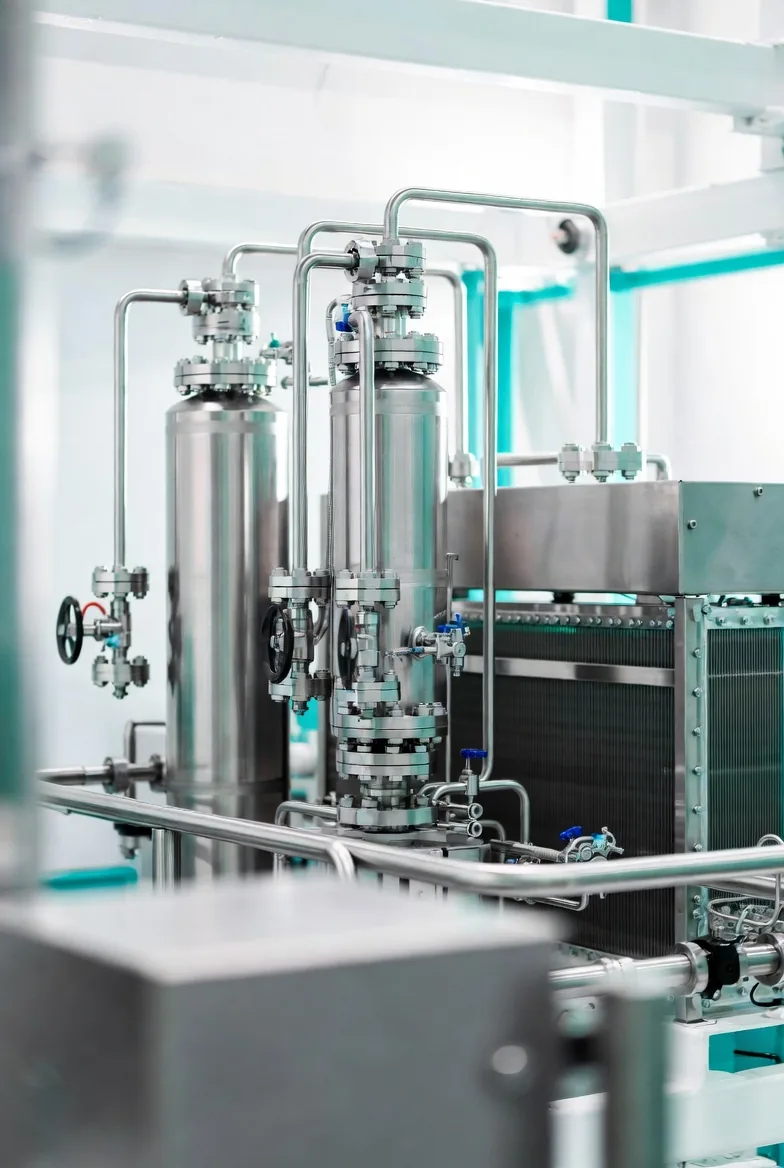
Interstage cooling on wet gas condenses liquid that must reach a knock-out drum. Size the cooler-condenser for compressor and recycle loops.
+ Learn More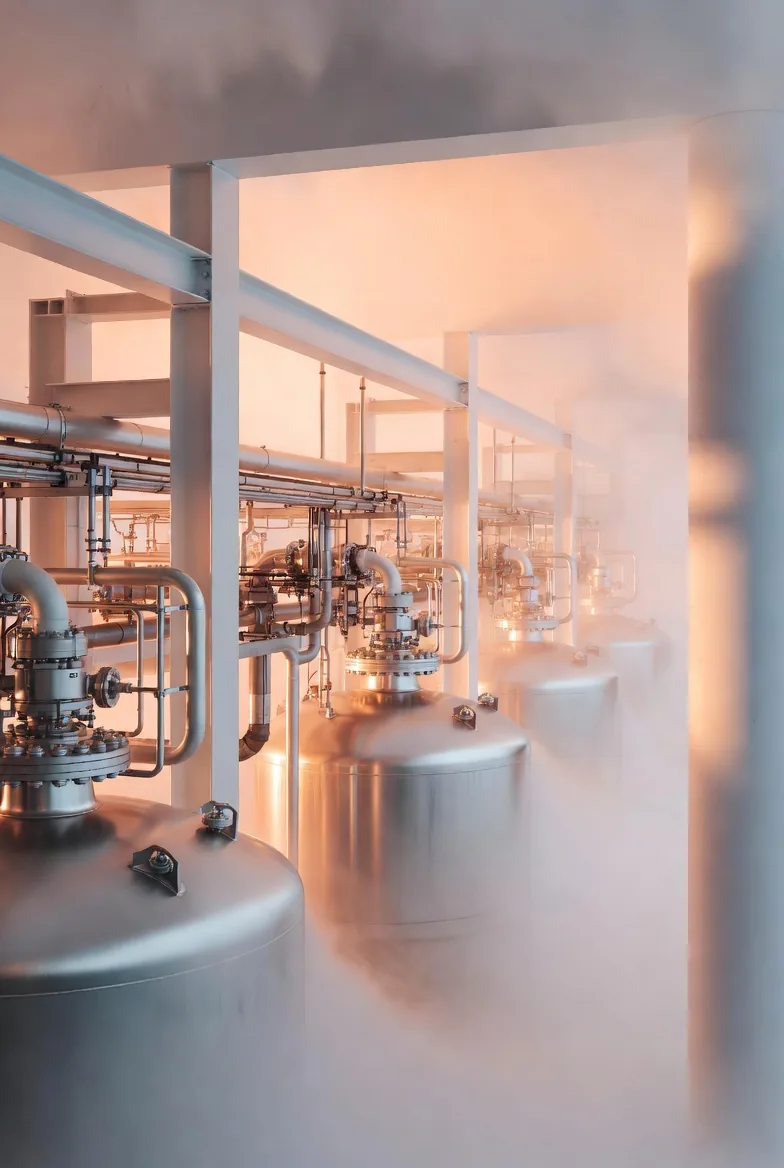
GAS PROCESSING • MARKET
Natural Gas
Meeting pipeline dew point and condensing glycol or amine regenerator overheads are two different duties. Condensers for both in gas plants.
+ Learn More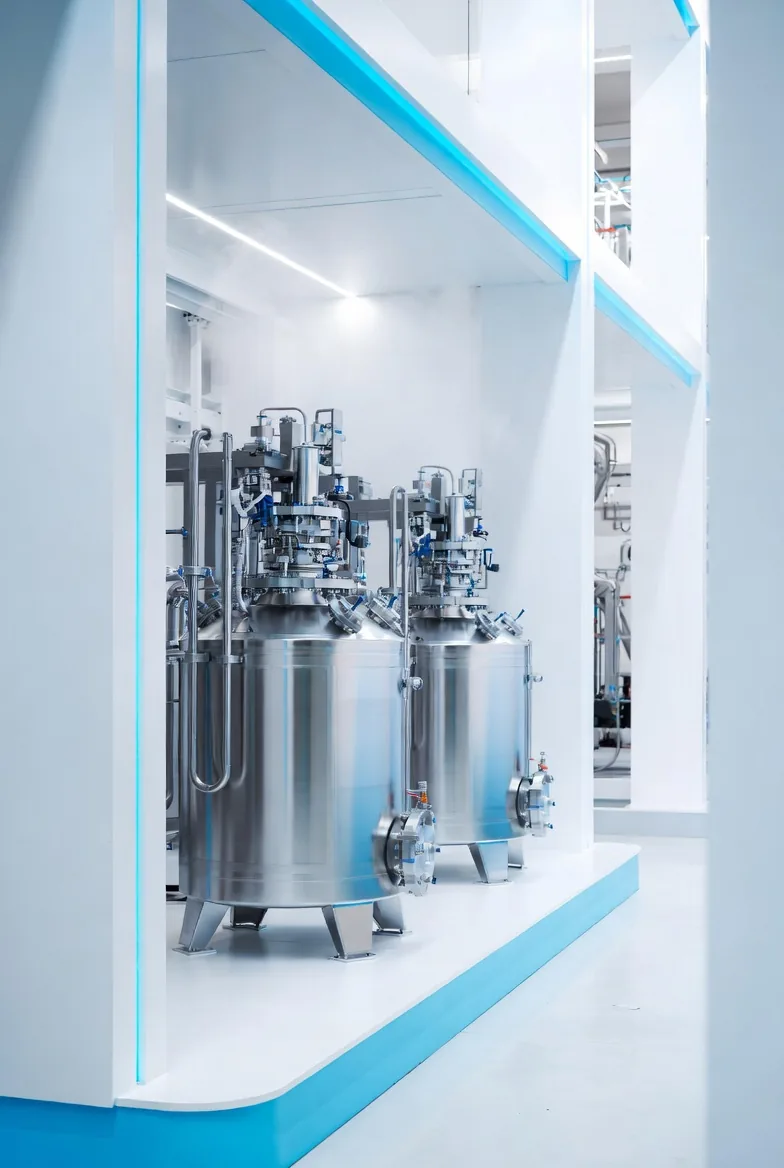
GAS PROCESSING • MARKET
Hydrogen
Electrolyzer and reformer hydrogen leaves wet. Cool it and knock out water before dryers, PSA or compression with a properly sized condenser.
+ Learn More