
1-805-484-2992
Quotes - Engineering - SalesSteam-Heated Boiler Feedwater Preheaters
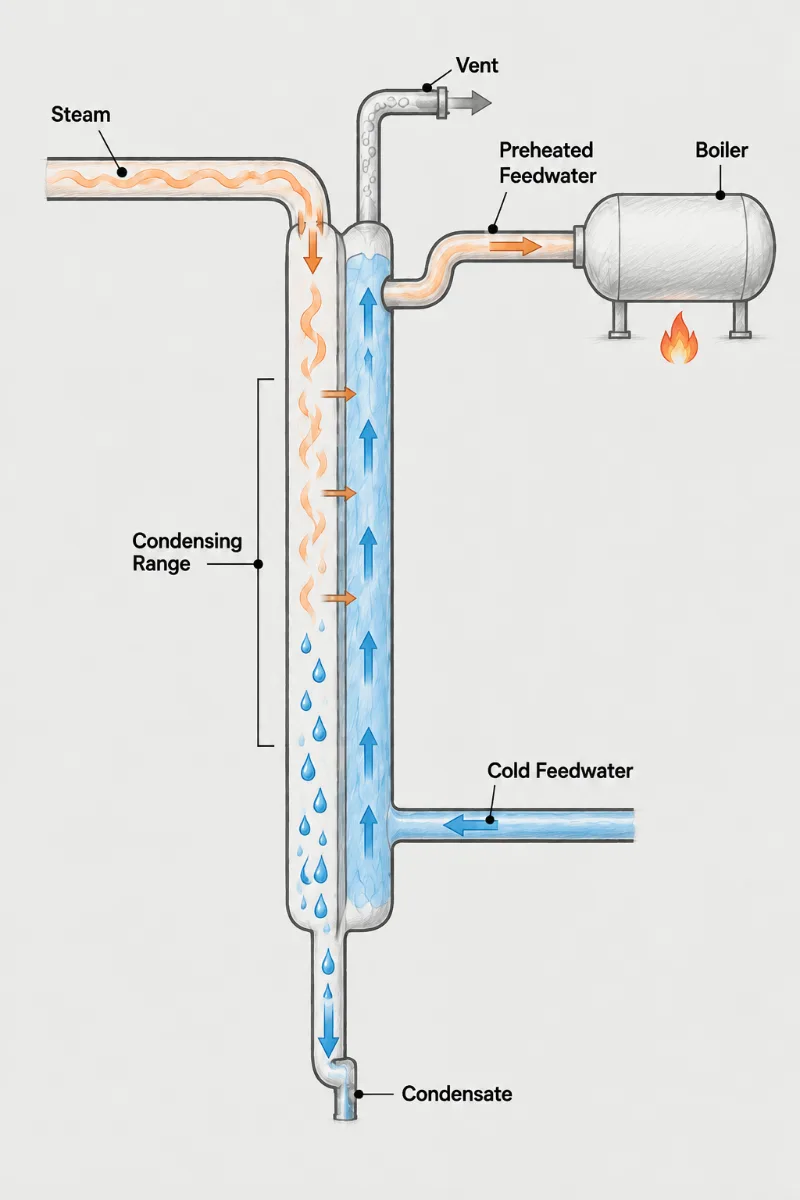
A boiler feedwater preheater condenses steam, usually turbine extraction, exhaust or low-pressure header steam, to raise the temperature of water on its way to the boiler. Every degree added here is a degree the boiler's fuel does not have to supply. What makes the duty distinctive is the water side: after the feed pump, feedwater sits at a pressure above the boiler drum, often hundreds of psig, while the steam condenses at far lower pressure. The preheater must contain that water pressure, survive oxygen-bearing water if placed before the deaerator, and fit with the economizer that follows.
- Water Pressure: Downstream of the feed pump, water runs above boiler pressure; tubes, channel and tubesheet are designed for that pressure, not the steam side's.
- Dissolved Oxygen: Ahead of the deaerator the water carries oxygen and attacks carbon steel; after it, oxygen is low but temperature and pressure are high.
- Deaerator Position: Preheating before the deaerator reduces its steam use; preheating after it raises water temperature entering the boiler or economizer directly.
- Economizer Interaction: Hotter feedwater entering an economizer reduces how much flue gas heat it can recover, and too hot risks steaming inside the economizer.
- Steam Source: Extraction or exhaust steam pressure sets the highest feedwater temperature achievable, with a terminal difference of several degrees.
- Drain Handling: Condensate from the shell side cascades to the deaerator or a lower-pressure heater; level control keeps tubes uncovered and condensate subcooled.
Matching the Preheater to the Deaerator and Economizer
Where should a steam feedwater preheater sit, and how hot should it make the water? The answer shapes the whole design. Before the deaerator, water is at low pressure and laden with oxygen; a preheater there cuts the deaerator's steam demand and works well with moderate-pressure equipment, but water-side surfaces need corrosion-resistant materials. After the deaerator and feed pump, water is oxygen-poor but at full boiler feed pressure, and the preheater becomes a pressure vessel designed around the tube side.
Overlook the economizer and much of the expected saving disappears. An economizer recovers flue gas heat in proportion to how cold the entering feedwater is. Preheat that water too far with steam and the economizer recovers less, and in extreme cases feedwater approaches saturation inside it and begins to steam. Model the boiler, economizer and preheater together, using the steam that would otherwise be wasted or vented.
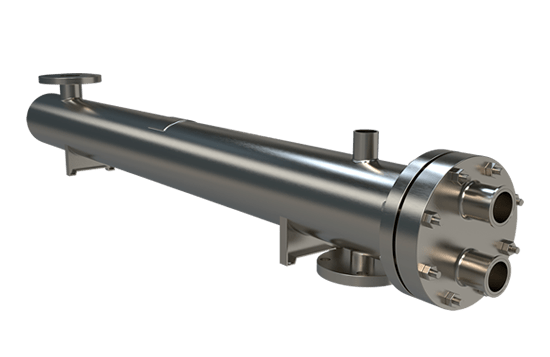
A U-Tube shell-and-tube preheater is the normal construction for high-pressure feedwater. Water in the tubes is contained by small-diameter tubes and a single tubesheet, steam condenses on the shell side, and the U-bends absorb the expansion between hot shell and cooler tubes without a bellows. Include a drain-cooling zone if condensate cascades to a lower pressure.
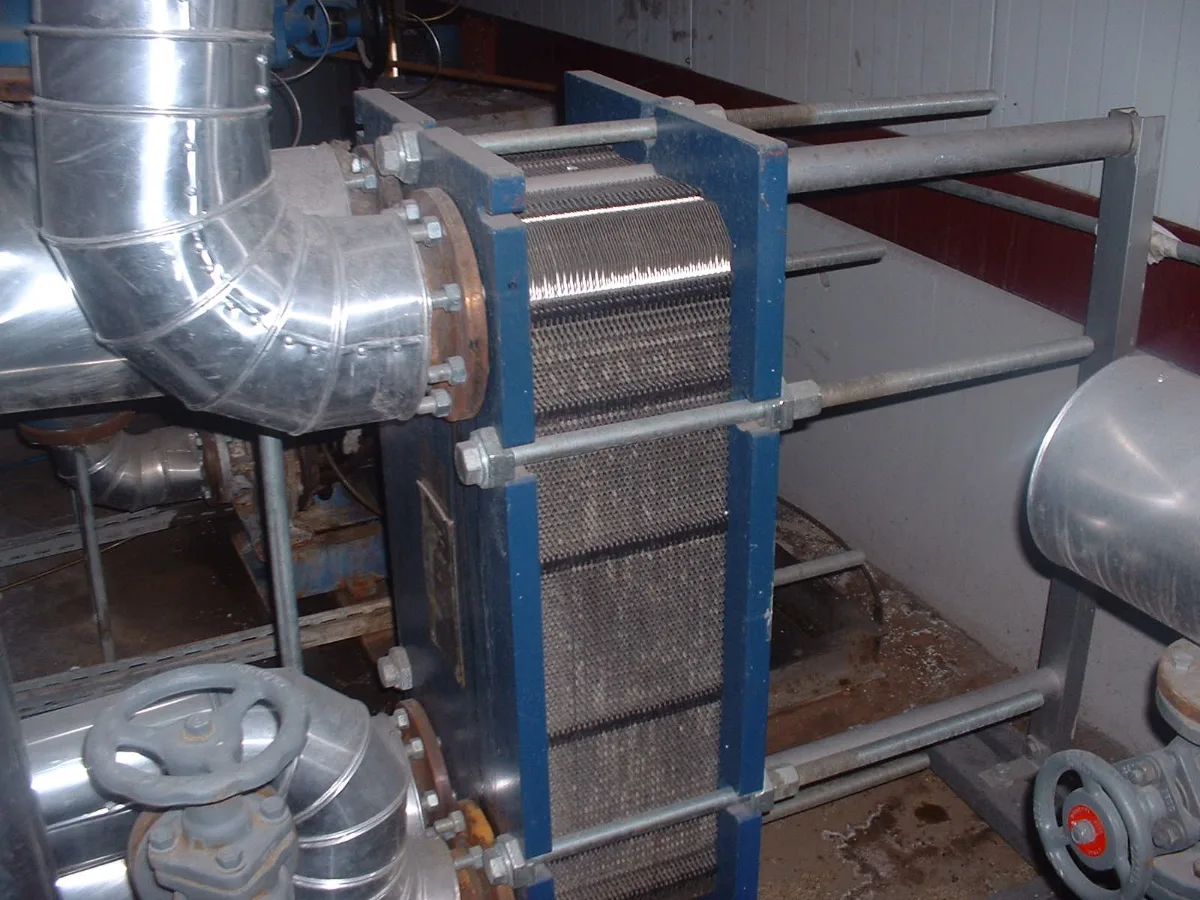
A Gasketed Plate & Frame exchanger works ahead of the deaerator where water pressure is modest and temperatures stay within gasket limits; above that, the U-Tube design is the sound choice. Provide the steam source pressure and flow, feedwater flow, pressure and inlet temperature, target outlet temperature, whether the deaerator is upstream or downstream, and economizer details.
Steam source
Extraction, exhaust or header steam and its pressure
Feedwater side
Flow, pressure and inlet temperature of the water
Heater location
Before or after the deaerator in the feed train
Boiler details
Economizer arrangement and target outlet temperature
Feedwater Heated
By Steam You Already Have
1.
Lower Fuel Per Pound
Raising feedwater temperature with extraction or exhaust steam shifts heating from the boiler's burner to steam that has already produced work, lowering fuel consumed per pound of steam generated.
2.
Built for Feed Pressure
Feedwater in small-diameter U-tubes keeps the high-pressure side compact, while the U-bends take thermal growth without shell expansion joints that might fatigue and fail under daily load cycling.
3.
Fits the Whole Train
Sizing alongside the deaerator and economizer avoids the lost flue gas recovery and economizer steaming that come from preheating feedwater without considering the equipment that follows it.
Feed train questions
Put it before the deaerator when you want to cut deaerator steam and keep the heater out of high-pressure service, and after it when the goal is hotter water into the boiler or economizer. The numbers favor the second position when the plant has no economizer: feedwater raised from 227 F to 290 F with 60 psig exhaust steam removes about 63 Btu per pound from the burner's share. With an economizer, that same preheat can cost more flue gas recovery than it adds. Ahead of the deaerator the water carries oxygen, so plan on stainless tubes rather than carbon steel.
Yes, because the economizer was sized for a given inlet temperature and hotter water reaches saturation inside it, especially at low boiler load. On a 150 psig boiler, saturation is 366 F; an economizer designed to raise water from 230 F to 320 F has 46 F of margin, and preheating the inlet to 290 F can push the outlet past that at turndown, when gas flow falls more slowly than water flow. The symptoms are banging in the economizer, erratic drum level and tube damage over months. Check the outlet approach at minimum firing before adding any preheat, and leave at least 20 F.
U-tubes let the feedwater pressure live in small-diameter tubes and one tubesheet, which is the cheapest way to contain several hundred psig while the shell carries only the steam pressure. A 3/4 inch tube handles 600 psig in a thin wall, where a straight-tube unit at the same pressure needs a second tubesheet and an expansion joint rated for it. The U-bends also absorb the difference in growth between a shell at 300 F and tubes at 250 F without a bellows, which matters on units that cycle with turbine load every day. The bundle pulls for shell-side inspection.
Pick the steam source who's saturation temperature sits at least 5 to 10 F above your target outlet, since the water can approach but never pass that temperature. For a 300 F outlet, 60 psig steam saturates at 307 F and works; 50 psig at 298 F does not, however much surface you add. Then confirm the pressure holds at low turbine load, because extraction pressure falls with throttle flow, and a source whose pressure sags to 40 psig at half load will leave the feedwater more than 10 F short. A pressure-reducing valve from a higher header is the usual backup.