
1-805-484-2992
Quotes - Engineering - SalesCondensers for Contaminated Process Vapor
Process vapor here means steam that has been in contact with product or process chemistry and picked something up: overheads from an evaporator concentrating a waste stream, stripping steam carrying solvent or ammonia, dryer and cooker exhaust, sparge steam from a reactor, or deodorizer vapor carrying fatty acids. The water and heat are worth recovering, but the condensate cannot go back to the boiler. It carries organics, salts, oil or dissolved gases that would foul the boiler or corrode the condensate system. It goes instead to treatment, reuse as wash water, or a separator that recovers the contaminant.
- Contaminant Profile: List every component in the vapor, including trace organics and dissolved gases; they set metallurgy, fouling allowance and where the condensate can go.
- Noncondensable Load: Process vapors often carry air, carbon dioxide or light gases in quantity, which must be swept to a vent zone or they will blanket surface.
- Corrosive Condensate: Ammonia, carbon dioxide, chlorides or organic acids concentrate as the vapor condenses, attacking carbon steel and copper alloys that plain steam would not.
- Fouling Side: Solids, oils and polymers carried in the vapor coat the condensing surface; place that fluid where it can be cleaned mechanically or chemically.
- Odor and Emissions: Uncondensed organics leaving the vent may need a second-stage cooler or a scrubber; size the main condenser to minimize what reaches them.
- Condensate Destination: Whether condensate goes to wastewater, a separator or reuse sets the outlet temperature and how much subcooling the unit must deliver.
Steam With Something Else in It
Process vapor condensers fail differently from clean steam units. Surface does not suddenly prove too small; instead capacity drops week by week as oil, solids or polymer build on the tubes, or a carbon steel shell thins out in a year because condensate turned acidic. A third failure is a vent that runs hot because noncondensables blanketed the cold end, sending odor or solvent to atmosphere. All three trace back to a vapor composition known only as steam with some product in it. Get a real analysis before the design starts.
With vapor contaminants identified, metallurgy follows. Carbon steel suits clean steam but not condensate carrying carbon dioxide or chlorides; 304 or 316 stainless covers most organic and mildly acidic duties; duplex and titanium handle chloride-rich or seawater-cooled service. Copper alloys are ruled out where ammonia is present.
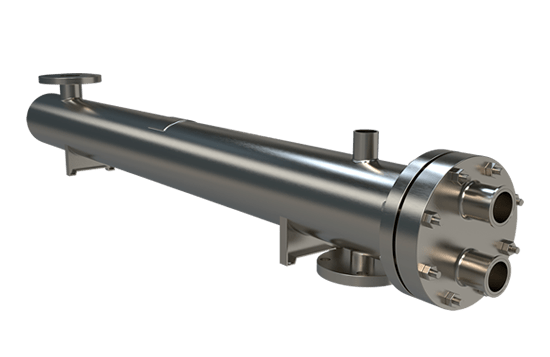
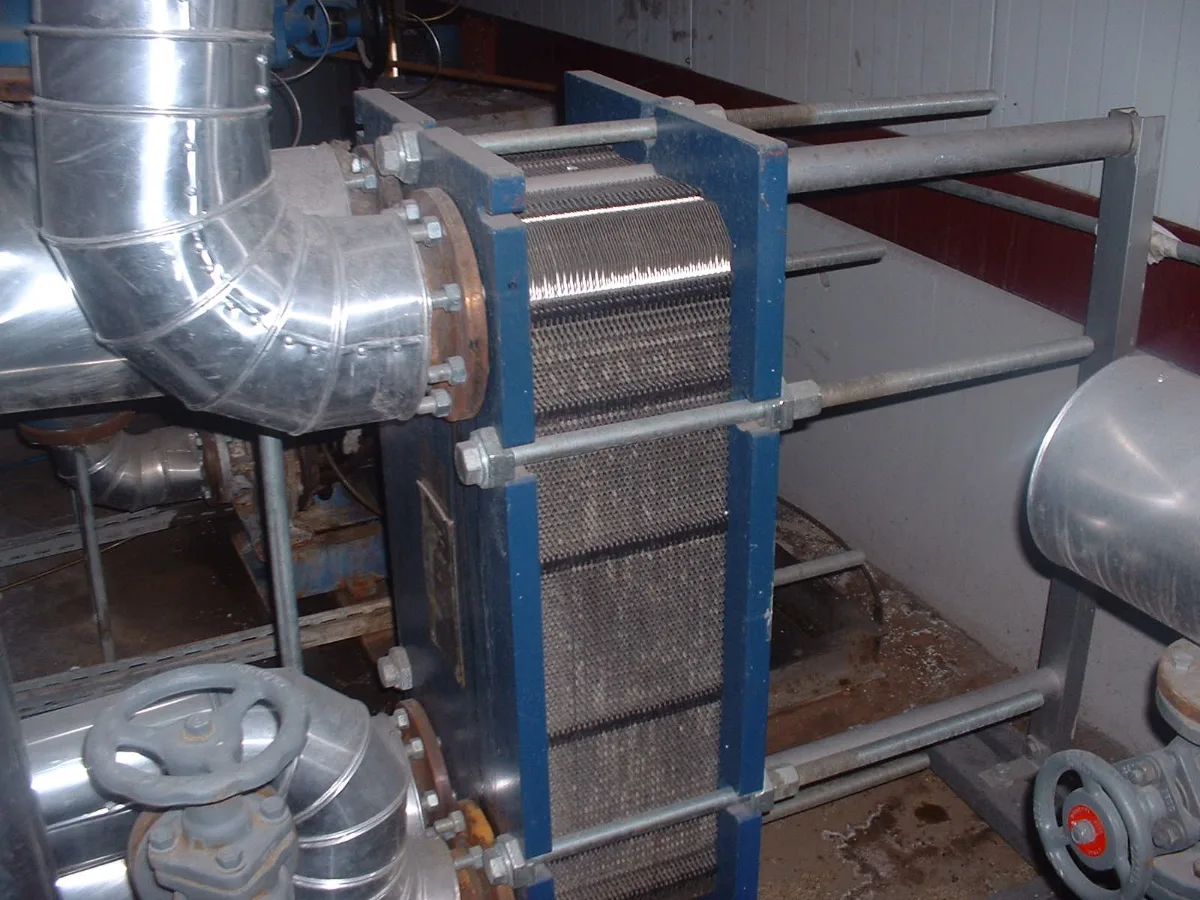
A Fixed Tubesheet shell-and-tube condenser is the usual workhorse. Putting the dirty process vapor inside the tubes lets them be rodded or hydroblasted, while a shell-side arrangement with a dedicated vent zone handles heavy noncondensable loads and lower pressure drop. A Gasketed Plate & Frame exchanger fits only when the vapor is relatively clean, the gaskets are compatible with every component, and noncondensables are modest; narrow channels plug quickly with fibers or solids.
Before you Request a Quote, assemble the vapor rate, a composition analysis including noncondensable gases and solids, operating pressure, the condensate destination and its temperature limit, cooling medium conditions, and any emission limit on the vent.
Vapor analysis
Steam fraction, contaminants, gases and solids carried
Pressure and rate
Operating pressure and vapor flow at peak production
Condensate route
Treatment, separator or reuse, with any temperature limit
Vent limits
Emission or odor requirements on the uncondensed gas
Condensing Steam
That Cannot Go Home
1.
Metallurgy That Fits
Materials chosen for the actual condensate chemistry, rather then for clean steam, prevent the rapid thinning and pitting that ammonia, chlorides and acids cause in carbon steel or copper.
2.
Cleanable Dirty Side
Routing the fouling vapor through straight tubes allows mechanical cleaning at shutdown, restoring capacity lost to oils, solids and polymer without pulling or replacing the bundle at each turnaround.
3.
Smaller Vent Load
A properly sized vent zone condenses most of the organics before the gas leaves, reducing odor complaints and the size of any scrubber or after-cooler downstream.
Contaminated vapor questions
Because the contaminants that rode along in the vapor concentrate in the condensate and arrive in the boiler at full strength. Ammonia stripped from a waste stream attacks copper in the feedwater heaters, a deodorizer condensate carrying fatty acids foams in the steam drum, and solvent returned to the boiler volatilizes into the steam header. Many treatment programs set a limit near 1 ppm total organic carbon for returned condensate, and most process vapor condensate runs hundreds of ppm. A conductivity or TOC analyzer on the condensate outlet with a dump valve is the safeguard if any of it must share a return line.
Select the metal for the liquid that forms at the tube wall, because condensing concentrates whatever the vapor carried. Carbon dioxide at a few hundred ppm in the vapor makes condensate near pH 5 that eats carbon steel at 20 to 40 mils a year; 304 stainless stops it. Chlorides above a few hundred ppm with temperatures over 140 F pit 304 and 316 and call for duplex or titanium. Ammonia in any amount rules out admiralty and copper-nickel. A one-page condensate analysis covering pH, chlorides, ammonia and organics settles the choice, and it is cheaper than discovering the wrong alloy at the first turnaround.
Lower the temperature of the gas leaving the vent, because the organics escaping are the ones still vapor at that temperature. A vent leaving at 140 F carries several times the solvent of one leaving at 90 F, so a small vent-zone cooler on chilled water, or a colder final pass, recovers most of it. Before that, measure vent temperature and gas flow; a vent that runs hot at the same coolant conditions usually means noncondensables have blanketed the cold end and the gas is leaving before it reaches the cold surface. Fixing the venting often cures the odor without added equipment.
Put the dirty vapor where you can clean it, which usually means the tubes, unless the vapor volume or the gas load makes the shell the only workable path. Straight tubes can be rodded or hydroblasted at a turnaround; a shell side fouled with polymer requires chemical cleaning or a bundle pull. The exceptions are real: vapor below 5 psia needs the shell's open flow area to keep pressure drop down, and a heavy noncondensable load needs the baffled vent zone a shell provides. When both conditions apply, a shell-side arrangement with a removable bundle is the compromise.
Fouling shows as the same vapor rate needing colder coolant or more flow to hold the condensate temperature, and as a vent that runs warmer week by week. Log coolant inlet and outlet temperature and flow at a fixed vapor rate, calculate the overall coefficient, and plot it; a steady decline of a few percent a month is oil or polymer building, while a sudden step is usually a vent problem or a plugged tube. When the coefficient falls to about 70 percent of the clean value, schedule the cleaning rather than waiting for the evaporator or stripper to lose throughput.