
1-805-484-2992
Quotes - Engineering - SalesCondensing for the Reflux Drum
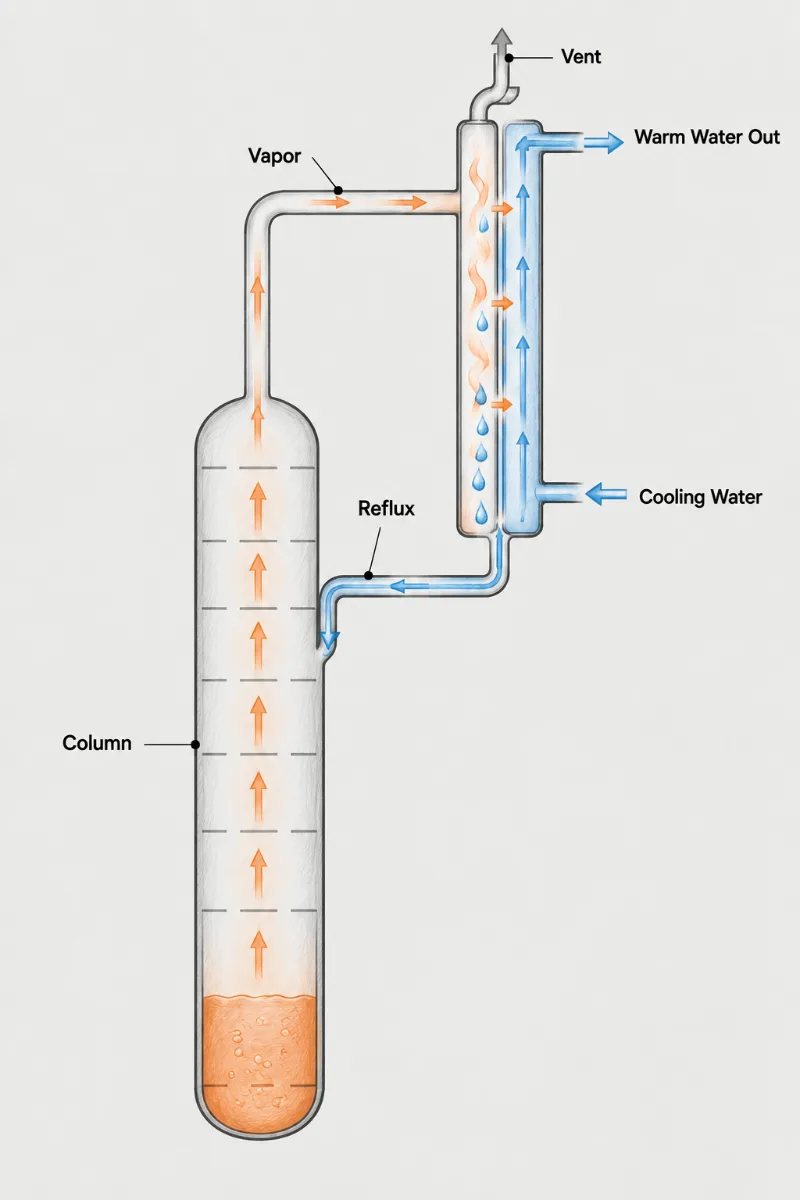
In most fractionation units the reflux stream starts as overhead vapor, is condensed, collects in a reflux drum, and is pumped back to the top tray under flow control. The condenser feeding that drum determines more than whether the vapor turns to liquid. It sets the temperature at which reflux reaches the column, which in turn sets how much internal reflux the top section actually sees. On a tower where reflux ratio drives product purity, that temperature is a process variable, not an afterthought.
- Reflux Temperature: Reflux returned below its bubble point must be reheated on the top tray, which condenses extra vapor and changes the separation the tower delivers.
- Internal Reflux: Heavily subcooled reflux increases liquid flow inside the column beyond the metered rate, which can raise reboiler duty or load the top trays.
- Drum Holdup: The reflux drum needs steady liquid inflow; a condenser that surges or backs liquid into its shell makes drum level and reflux rate unstable.
- Pump Suction: Reflux pumps need modest subcooling or drum elevation for suction head; set it intentionally rather than relying on accidental heat loss.
- Ratio Control: With a drum and pump, reflux ratio is set by flow control, so the condenser only has to deliver enough liquid at a stable temperature.
- Weather Swings: Air-cooled or tower-water condensers subcool more in winter; tempered coolant or outlet temperature control keeps reflux temperature from drifting seasonally.
Reflux Temperature Is a Design Variable
Subcooled reflux is the problem most often overlooked in reflux stream condensers. When liquid enters the top tray cooler than its bubble point, it must be heated back up, and the only heat available is vapor rising from the tray below. That vapor partly condenses, so the actual liquid flowing down the top section exceeds the metered reflux. A small amount of subcooling is harmless and even useful for pump suction. A large and variable amount, typically from an oversized condenser on cold winter water, quietly changes the tower's operating line.
The practical effect is products drifting out of specification with the season while the reflux flow indicator reads constant. Operators respond by adjusting reflux or reboiler duty, but the root cause is a condenser outlet temperature nobody is controlling.
Design the condenser to deliver liquid a few degrees below the bubble point at drum pressure, then hold it there. Options include coolant outlet temperature control, a tempered water loop, or a bypass around part of the surface.
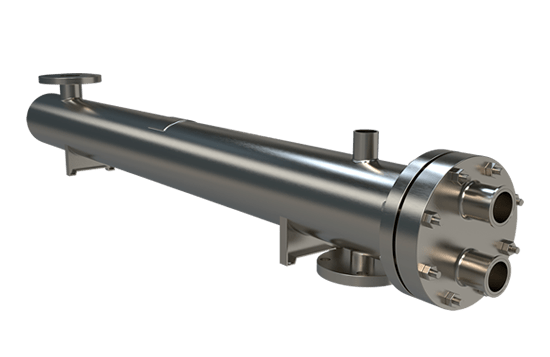
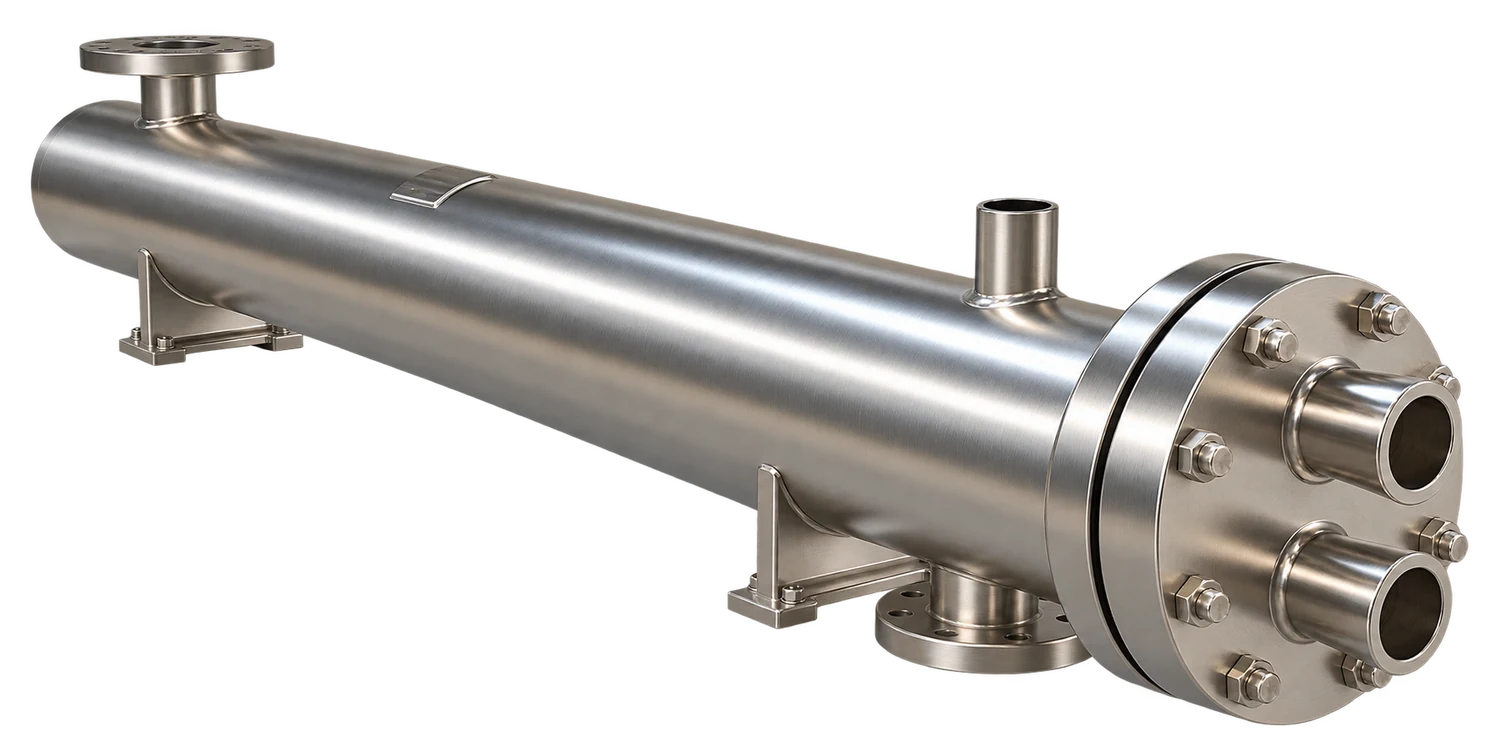
On the hardware side, a horizontal Fixed Tubesheet exchanger draining by gravity to the drum is the usual choice, with process on the shell and water in cleanable straight tubes. It needs a free-draining outlet and, ideally, a vapor balance line to the drum so condensate never backs up in the shell. A U-Tube bundle is a sound alternative where the overhead runs hot against cold coolant or the shell side needs periodic inspection.
Send the overhead composition, drum pressure and level range, reflux and distillate rates, the target reflux temperature, and coolant conditions for both summer and winter so the condenser can be checked at both extremes. If the existing unit already causes seasonal swings, operating data from a summer day and a winter day is the most useful thing to bring.
Drum conditions
Drum pressure, level range and pump suction head
Reflux targets
Reflux and distillate rates with desired return temperature
Seasonal coolant
Summer and winter coolant temperatures at the condenser
Overhead makeup
Vapor composition and rate entering the condenser
Steady Reflux,
Steady Product Purity
1.
Controlled Return Temperature
Outlet temperature control or tempered coolant keeps reflux close to it's bubble point year-round, so internal reflux matches the metered rate and products stay in specification across seasons.
2.
Stable Drum Level
Free drainage and a balance line feed the reflux drum smoothly, which keeps pump suction steady and stops level swings that ripple back into reflux flow.
3.
Room for Pump Suction
A small, deliberate subcooling margin protects reflux pumps from cavitation without over-chilling the liquid that returns to the top tray and loading the reboiler for no gain in separation.
Seasonal reflux questions
The condenser is returning colder reflux in winter, and that extra subcooling raises internal reflux without any change on the flow indicator, so the column runs a different operating line than the one it was tuned for. Reflux returned 25 F below its bubble point, with a specific heat of 0.45 and a latent heat of 160 BTU/lb, condenses an extra 7 percent of vapor on the top tray; on a tower water system that swings from 85 F in July to 55 F in January that difference is easy to reach. Pull the summer and winter data together and the pattern stands out: reflux temperature down, bottoms temperature up, product purity drifting. A control valve on coolant outlet temperature or a tempered loop set to a fixed return temperature ends the cycle.
Enough to give the reflux pump its required suction head after the drum elevation is counted, which on most towers is 3 to 8 F, and nothing beyond that unless the column simulation was built with colder reflux. Check it with the pump curve: a pump needing 6 ft of net positive suction head on a drum 10 ft above it with 3 ft of line losses already has margin at the bubble point, so 5 F of subcooling is comfort rather than necessity. Where the drum sits at grade and the pump is close-coupled, 10 F may be needed, and that is a case for a small dedicated subcooler on the pump suction rather than a colder condenser outlet. Every degree beyond the need is reboiler steam, roughly a third of a percent of duty per degree on a typical solvent column.
A drum uncouples condensing from reflux control, so the plant can meter reflux and distillate separately, hold several minutes of liquid inventory for startup and upsets, and put the condenser anywhere the layout prefers. A column-mounted unit has none of that: reflux is whatever condenses, and the vapor velocity limit in its tubes caps the boil-up a column can run. For a tower bigger than a few feet in diameter the drum arrangement is almost always the cheaper route to high capacity, since the condenser can go horizontal with a short vapor line instead of a tall bundle standing on the head. The costs are real but small by comparison: a drum, two pumps, control valves and a few more feet of plot space.
Yes, unless the condensate line and the drum inlet are generously sized and the drum operates at the same pressure as the condenser outlet with no valve in between. The line connects the vapor space of the drum back to the condenser so pressure on both sides of the condensate column is equal and liquid drains on gravity head alone. Without it, a drum pressure only 0.5 psi above the condenser holds about 1.5 ft of solvent in the condensate line, which is enough to back liquid into the bottom tubes of a horizontal shell and take them out of service. The line is cheap: 2 to 4 inches of pipe sloped to drain, with no pockets and no valve an operator can close. Size the condensate line for self-venting flow too, around 3 ft/s or below.